01
Emergency Sewer Line Repair
Urgent help when a surge has already flooded a basement.
Stop sewage backing up
A backwater valve is a one-way door fitted into a sewer line. Under normal conditions, wastewater flows out of the house, through the valve, and toward the street, and the valve's flapper stays open to let it pass. When flow reverses, as it does during a municipal surge, the flapper swings shut and blocks the returning flow from reaching the house. The house keeps draining outward, and the street's surge stays in the street.
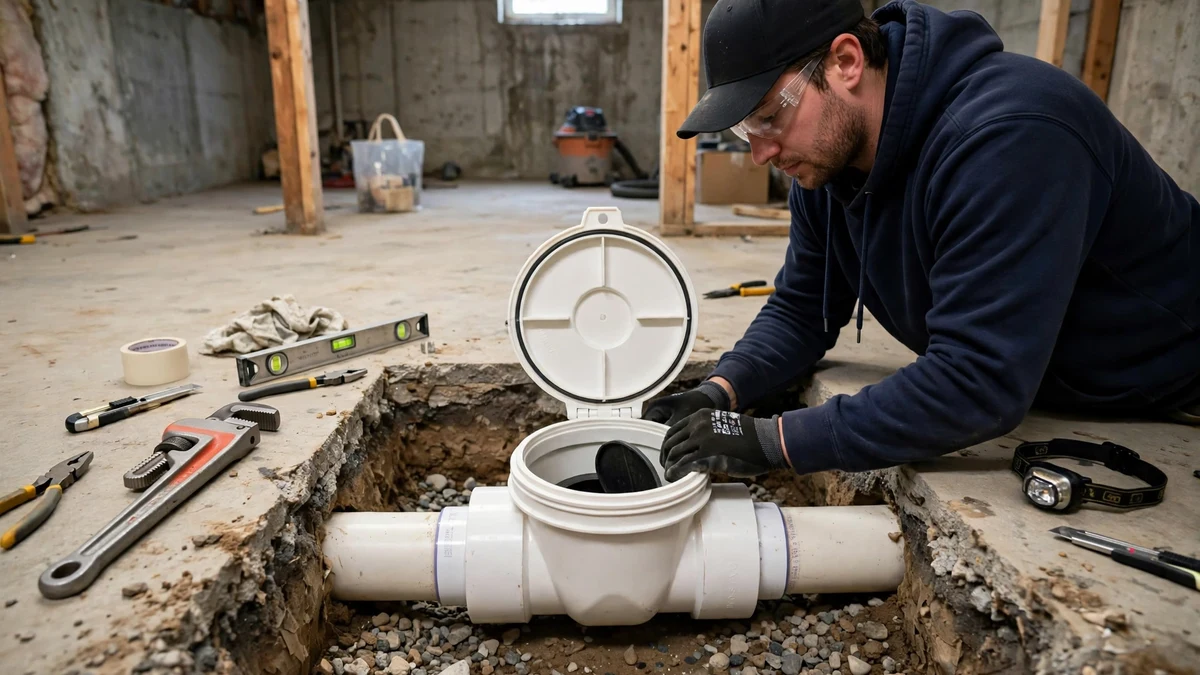
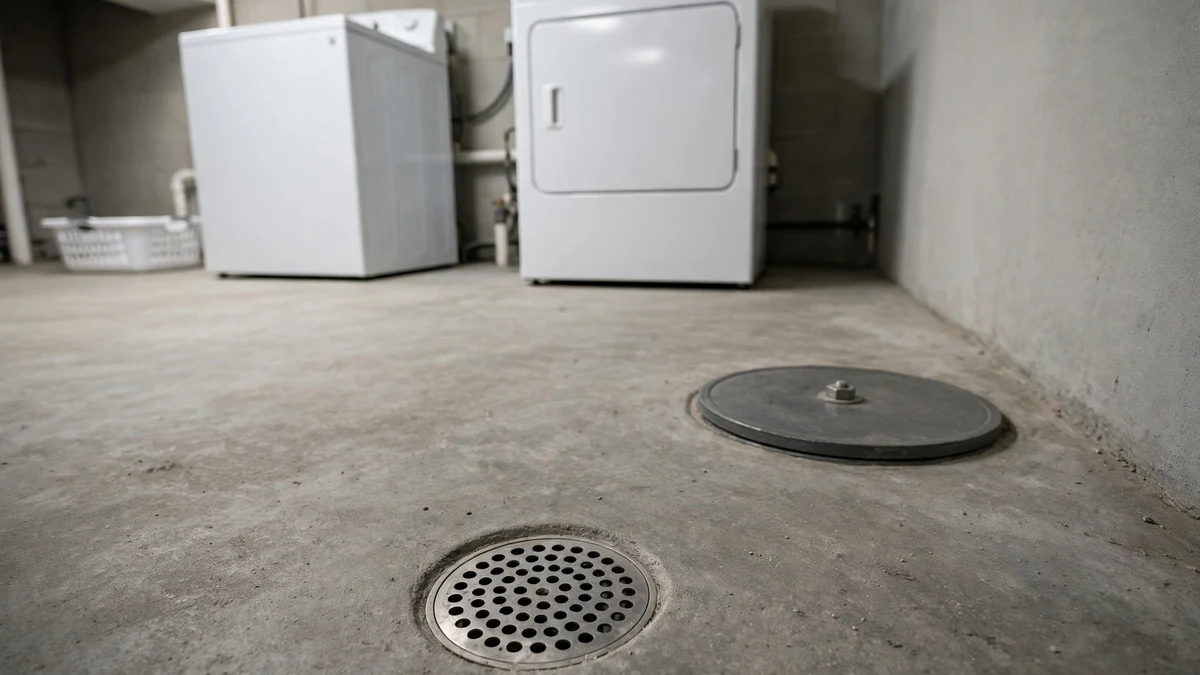
That reversal is the problem the valve solves. In older sewer systems, especially combined systems that carry both sewage and stormwater, a heavy rain can fill the public main faster than it can drain, and the pressure pushes wastewater back up the laterals of the lowest properties. A basement floor drain is often the lowest point in a house, so it is the first place that returning flow appears. A backwater valve fitted on the line that serves that drain stops the surge at the valve, before it reaches the floor.
Maine's older cities are the natural setting for this work. Portland's older neighborhoods were built on combined sewers, and the city's long history of combined sewer overflows shows how those systems behave under rain. A property in a low-lying part of such a system, or a property that has already backed up during a storm, is the property where a backwater valve earns its place, not as a cure for a broken pipe, but as protection against a surge from outside.
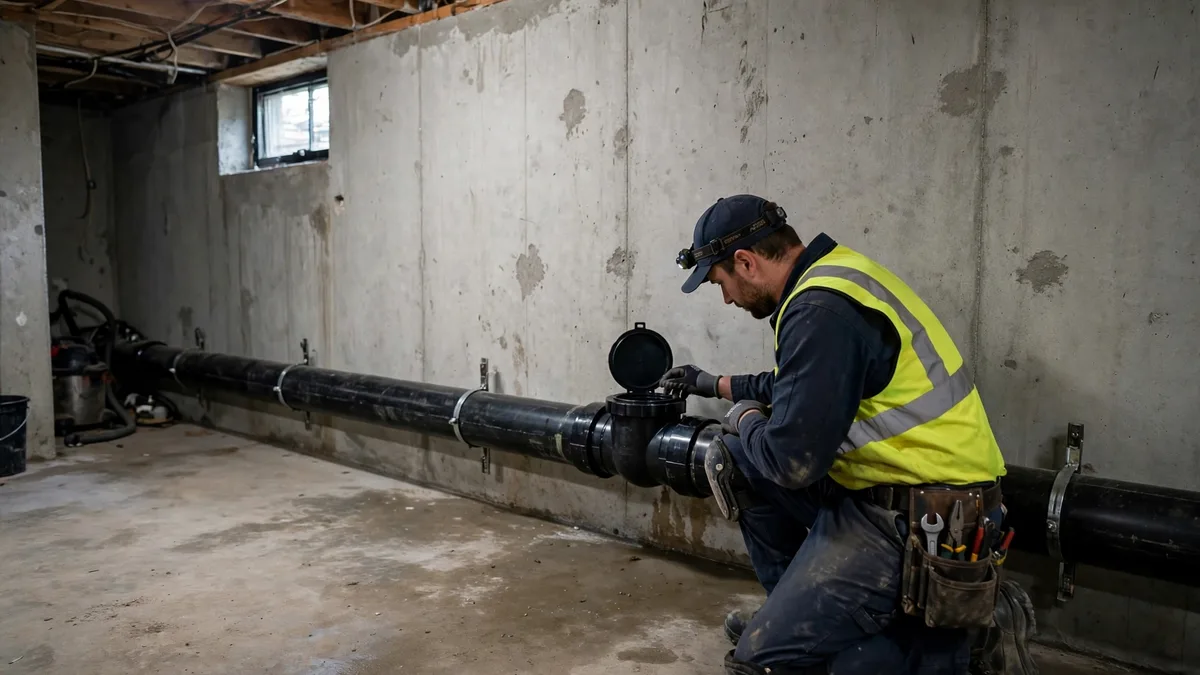
A valve is the right protection when the cause of backups is a surge from the public system rather than a failure in the house's own line. The distinction matters, and the camera helps make it: a line that is sound on camera but backs up during heavy rain points to a municipal surge, while a line that backs up in dry weather points to a blockage or a failure in the line itself. A valve fitted to a blocked line would only hide the blockage, so the diagnosis comes first.
Basement flooding from a surge is the clearest case. A floor drain that overflows during storms, while the rest of the house drains normally between storms, is the signature of a surge problem. A combined sewer surge, where stormwater and sewage share one main, is the usual cause in older systems, and a municipal surge from a surcharged main can affect a whole street at once, which is why neighbors sometimes back up together on the same night.
A valve is not a substitute for repairing a failed line, and it is not protection against every kind of backup. A blockage in the house's own lateral will still back up behind the valve, because the valve sits between the house and the street, and a blockage on the house side of it is unaffected. The valve protects against flow coming back from the street. Flow that cannot get out for its own reasons needs its own diagnosis, and we say so plainly when the camera shows that is the case.
Valve installation starts with the line itself. A camera run confirms the line's condition and the right position for the valve, which is usually on the main house drain where it leaves the building, before it joins the lateral. A valve pit excavation opens the floor or the ground at that position, the line is cut, and the valve body, usually a PVC valve body with a flapper valve inside, is fitted into the run with its flow direction set correctly. Getting that direction right is the whole job in miniature: a valve fitted backwards blocks the house's own drainage instead of protecting it.
A valve access box fit follows, because a backwater valve needs to be reachable after it is fitted. The flapper must be inspected and cleaned from time to time, since debris can hold it open, and a valve buried without access cannot be maintained. The access box sits flush with the floor or the ground surface, with a cover that can be lifted, so the valve can be checked without opening the floor again. That access is part of the installation, not an optional extra, because a valve that cannot be checked is a valve that cannot be trusted.
After fitting, a valve tester checks that the flapper moves freely and seats fully, and the line is run to confirm normal drainage outward. The work is checked by camera where the position allows, and the homeowner is shown the access box and told how the valve works and what to look for. Maine plumbing code backwater provisions and local sewer use ordinances govern the fitting, including where a valve is required and how it must be accessible, and the installation follows them.
A backwater valve needs occasional attention, and a homeowner should know that before agreeing to one. The flapper can collect debris, and a flapper held open by debris does not protect against a surge, so the valve should be checked through its access box from time to time, especially after a storm that brought a surge. That check is a simple lift of the cover and a look at the flapper, and we show the homeowner how to do it on the day.
During a surge itself, the valve's behavior is worth understanding. While the flapper is shut against returning flow, the house's own drains cannot empty past it either, because the same closed door blocks flow in both directions. That means running water into the drains during a surge can back the house's own water up behind the valve, and the practical advice is to limit water use until the surge passes and the flapper reopens. That limitation is the trade the valve makes, and it should be understood before the valve is fitted, not discovered during the first storm.
The related services complete the picture for surge-prone properties. Emergency sewer line repair covers the urgent visit when a surge has already flooded a basement, sewer line spot repair covers a damaged section that a surge may have exposed, and traditional sewer line replacement covers the fuller renewal when the line itself, not just the surge, is the problem.
It is a one-way door in the sewer line. Wastewater flows out through its open flapper normally, and when a municipal surge reverses the flow, the flapper swings shut and blocks the returning sewage from reaching the house, before it can come up through a basement drain.
It suits a property that backs up during heavy rain while draining normally between storms, especially in an older area on a combined sewer system. A camera check first confirms the cause is a surge from the street rather than a failure in the house's own line.
Only with care. While the flapper is shut against returning flow, the house's own water also cannot pass it, so running water into the drains during a surge can back up behind the valve. Limiting water use until the surge passes is the practical advice.
A valve fitted into a sewer line that lets wastewater flow out of a house but swings shut when flow reverses, blocking a municipal surge from sending sewage back into the property.
Usually on the main house drain where it leaves the building, before it joins the lateral, with an access box set flush with the floor or ground so the valve can be inspected and cleaned.
Yes, occasional checking through its access box. Debris can hold the flapper open, and a flapper held open does not protect against a surge, so the valve should be checked from time to time, especially after a storm.
No. A valve protects against surges from the street. A blockage in the house's own lateral will still back up behind the valve, because the valve sits between the house and the street.
Maine plumbing code backwater provisions and local sewer use ordinances govern where a valve is required and how it must be fitted and made accessible. We explain the position for a given property before work starts.
Call (207) 819-0831 or email info@sewerlinerepairmaine.com. A camera check comes first, to confirm the backups are caused by surges rather than by a failure in the line itself.
Start by telling us what you are seeing. We will talk through the symptoms and the next step from there.
01
Urgent help when a surge has already flooded a basement.
02
A damaged section a surge may have exposed.
03
Fuller renewal when the line itself is the problem.
Last updated: October 28, 2026