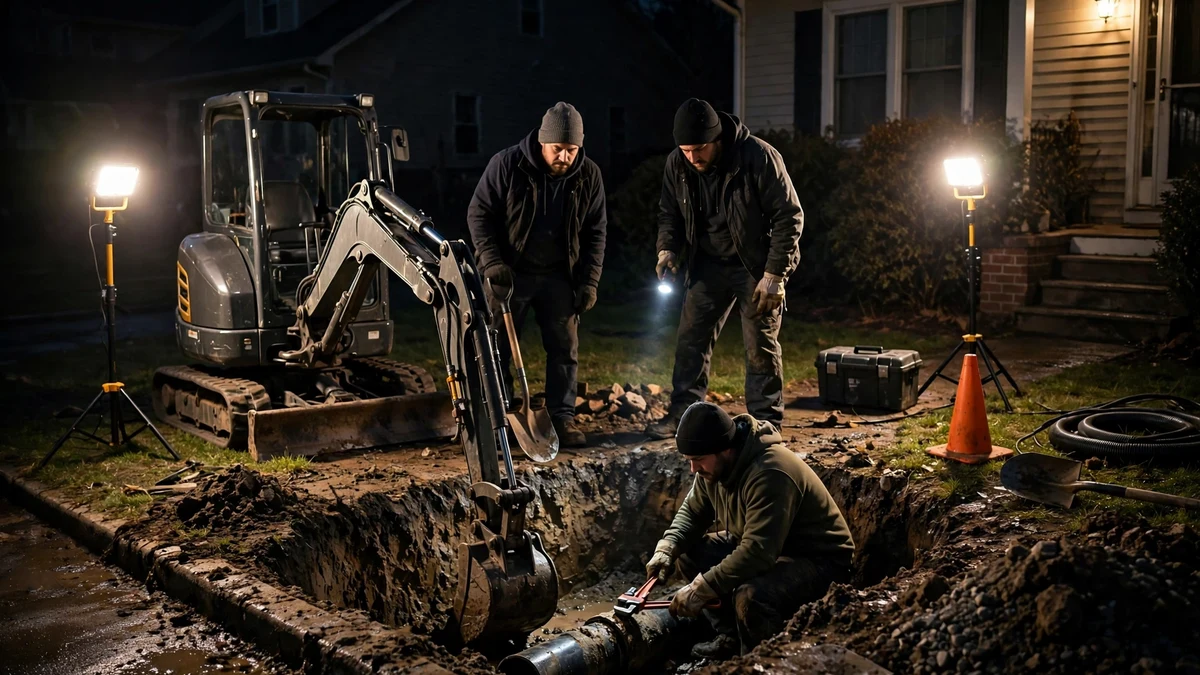
Emergency Sewer Line Repair
Urgent help when a sewer line fails and a home cannot wait for a routine visit.
Sewer Services
We do sewer line work and closely related work, and we do not branch into general plumbing or septic service. That boundary matters, because a sewer line crew and a general plumber bring different tools, different habits, and different answers to the same backup. When you call us, you get people who spend their days on lines, cameras, lining rigs, bursting equipment, and excavation.
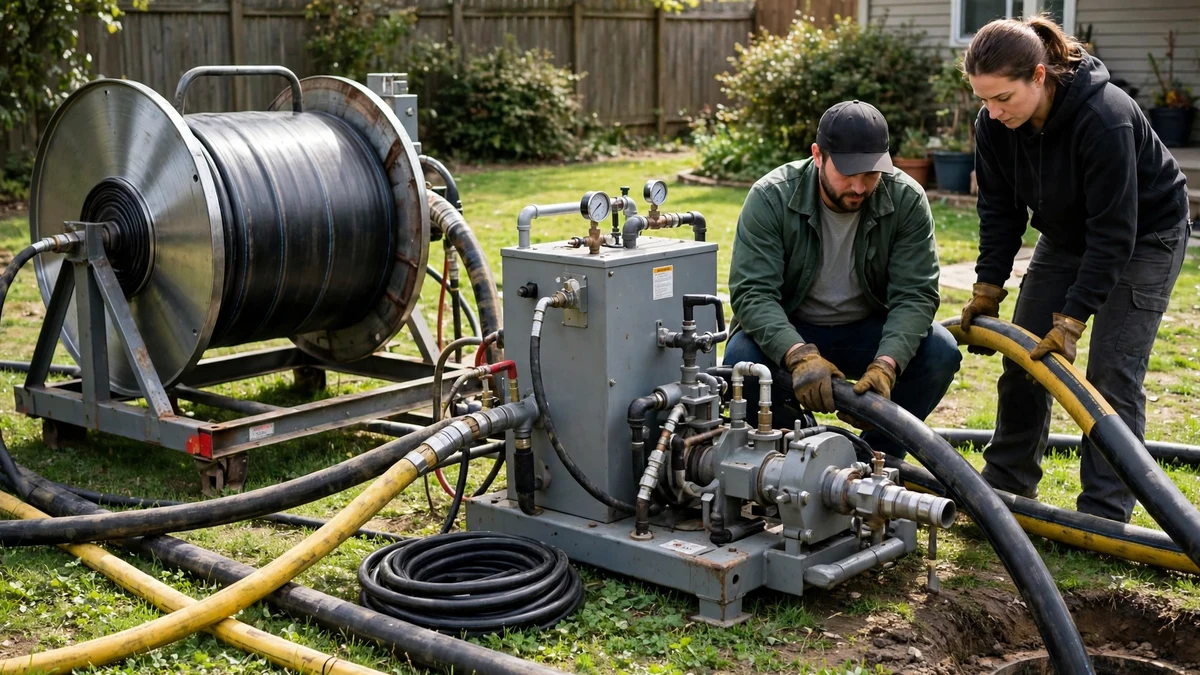
Each service page below explains the service on its own terms: what it is, when it fits, when it does not, and what happens during the visit. Read the page that matches the problem, and if the symptoms do not point clearly to one service, start with a camera inspection. The footage narrows the choice fast.
The three full repair methods differ in digging, in what they need from the old pipe, and in when they fit. This short comparison is a starting point only. The camera inspection on a specific line settles the choice.
| Method | Digging | Old pipe must be |
|---|---|---|
| Trenchless lining | Small access points | Holding its shape |
| Pipe bursting | Entry and exit pits | Replaceable along its path |
| Traditional replacement | Open trench | No requirement, excavation handles any condition |
Urgent help when a sewer line fails and a home cannot wait for a routine visit.
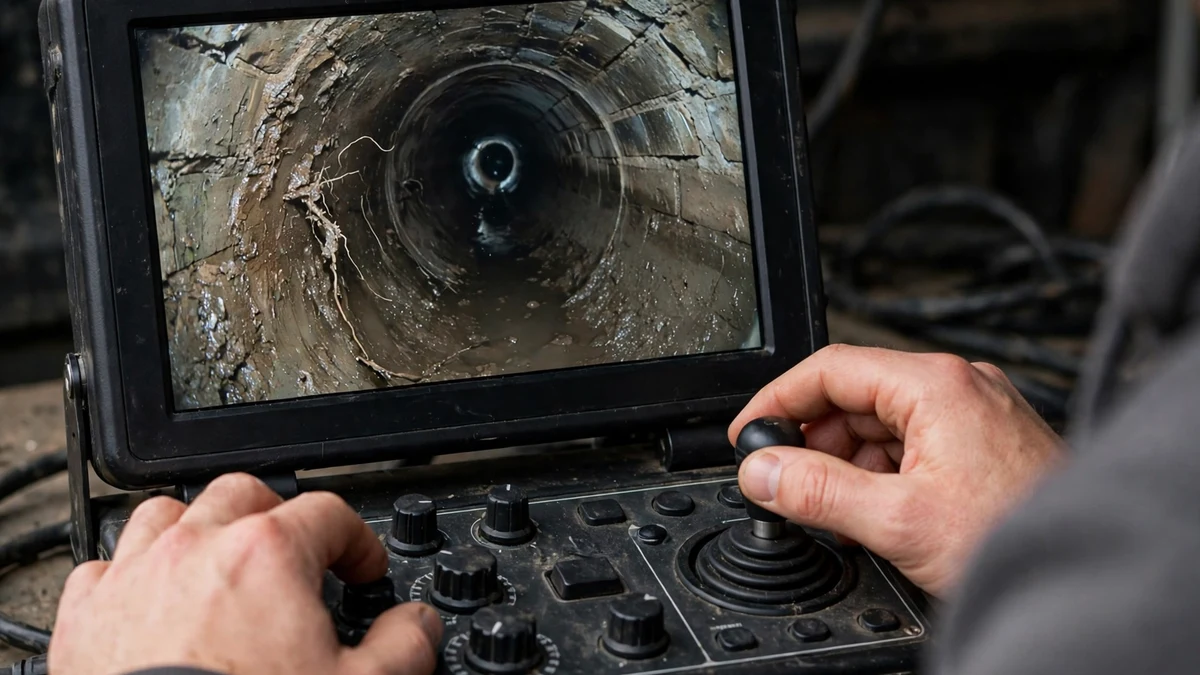
A camera run through the line so the problem is seen, not guessed at.
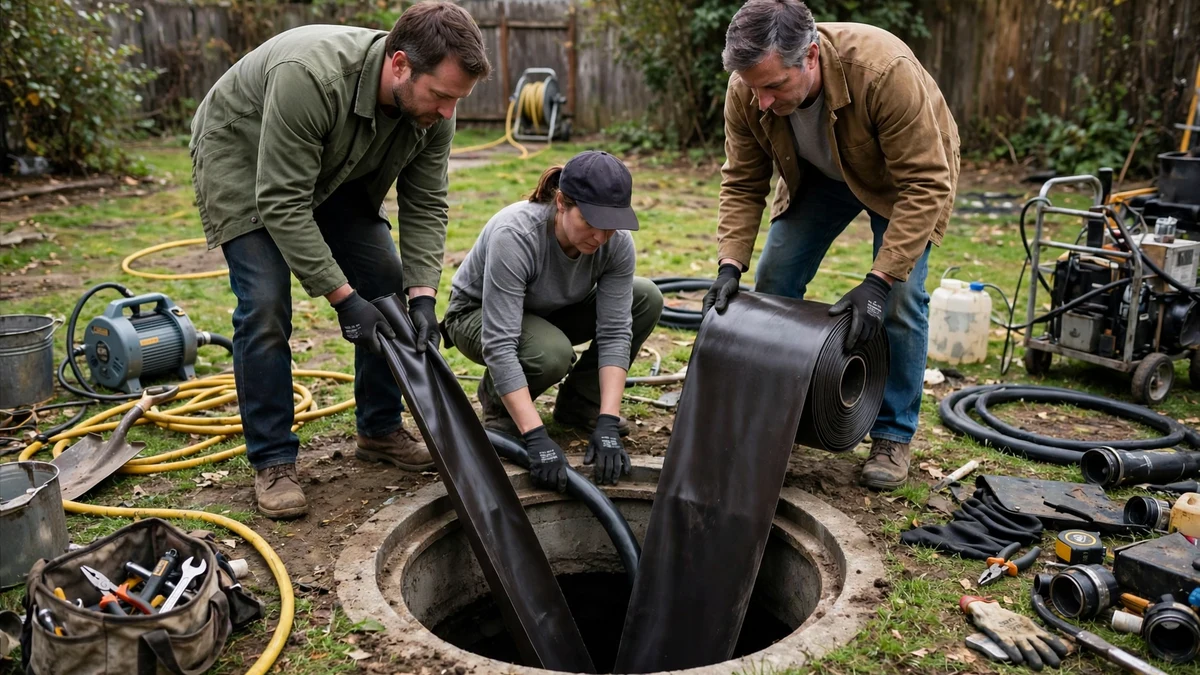
A new lining formed inside the old pipe, with far less digging than a full replacement.
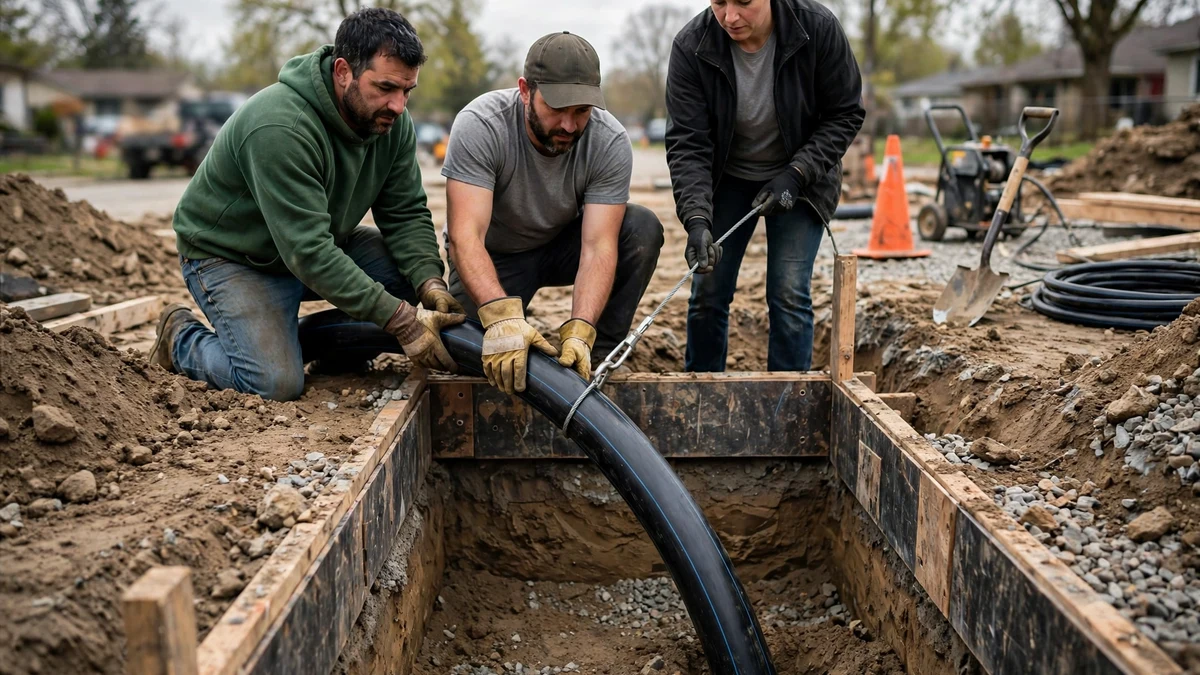
The old pipe is broken apart underground while a new pipe is pulled into its place.
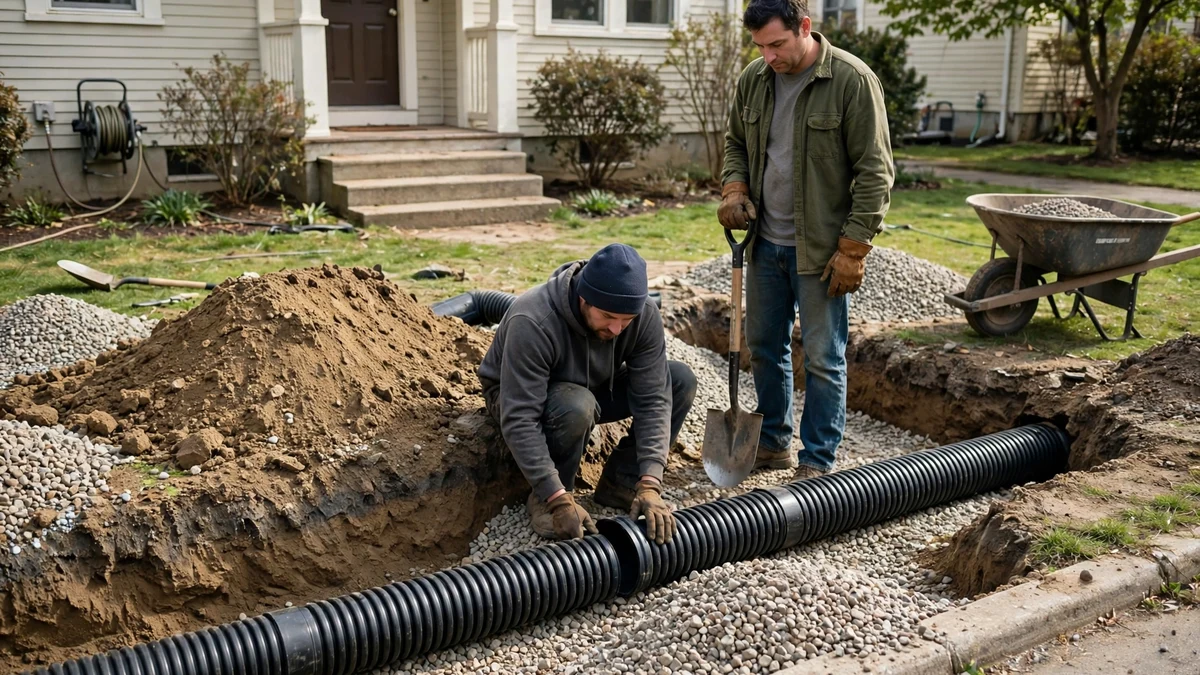
Open excavation and a new pipe, chosen when the old line cannot be saved another way.
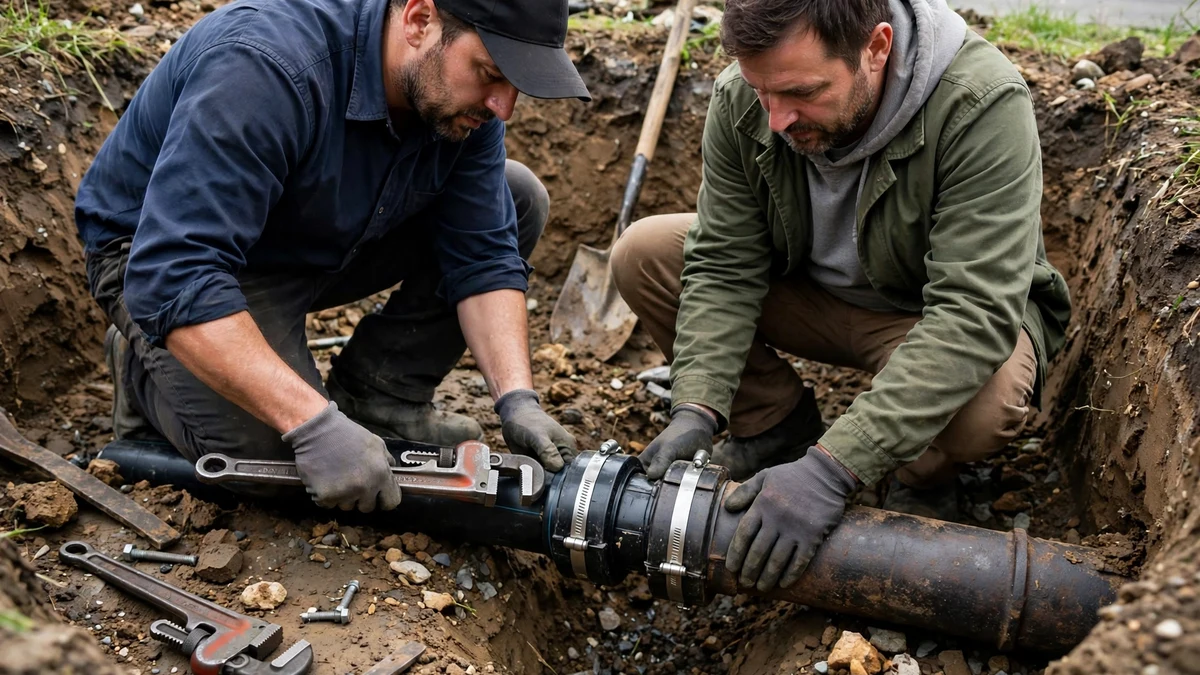
A focused repair on one damaged section, leaving the sound pipe around it alone.
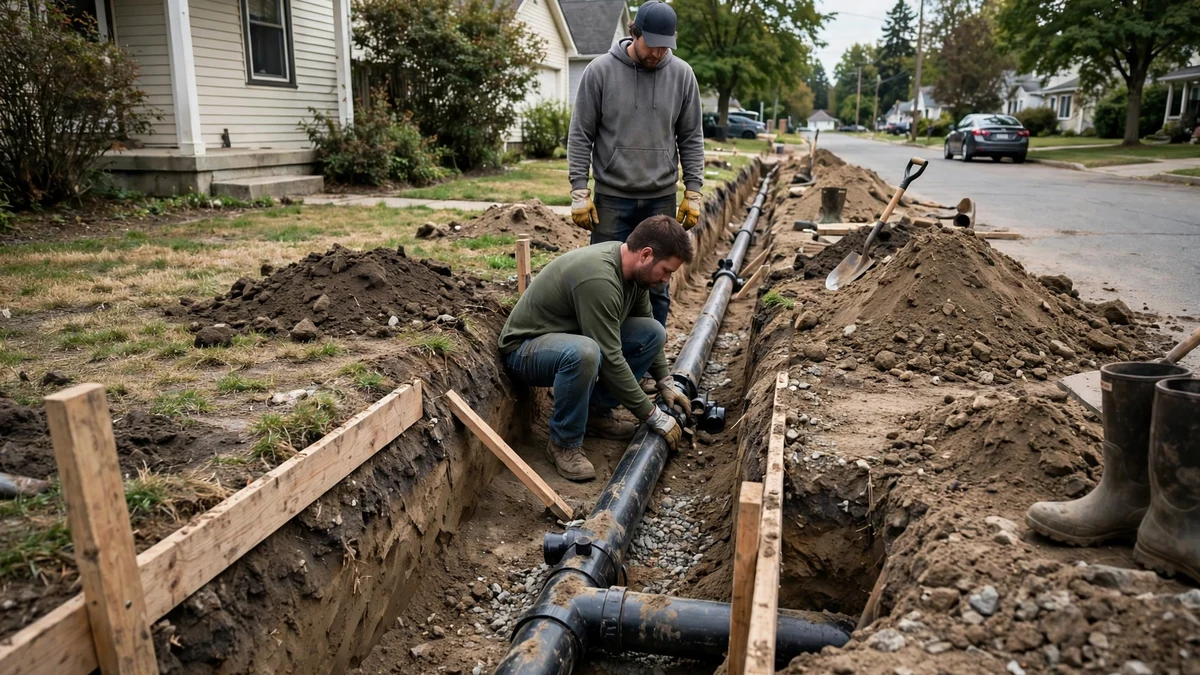
Replacement of the house to street segment that carries everything from one property.
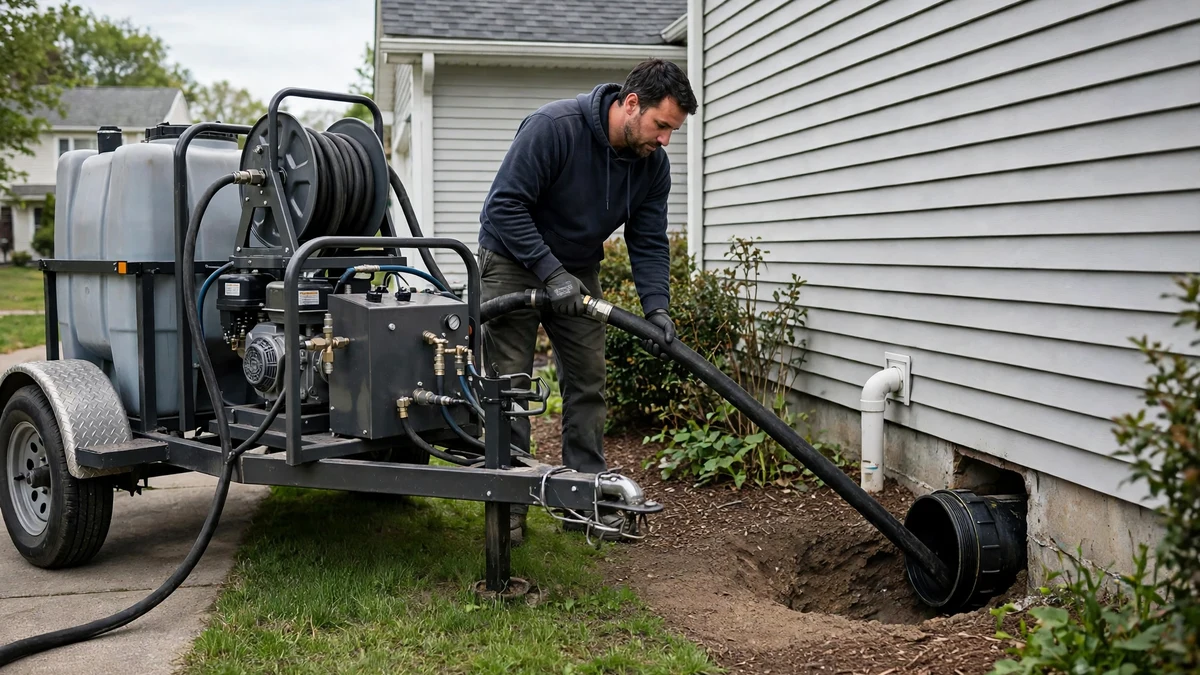
High pressure water that clears grease and scale from the inside of a line.
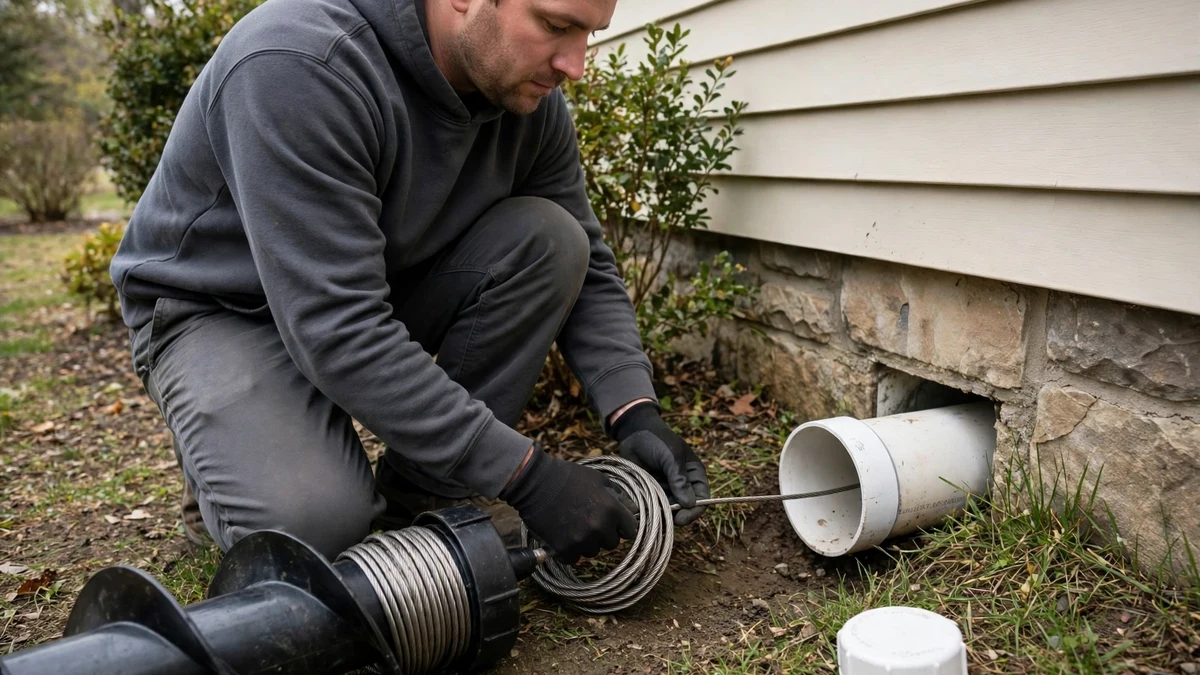
Mechanical clearing for blockages, led by snaking when a line is stopped up.
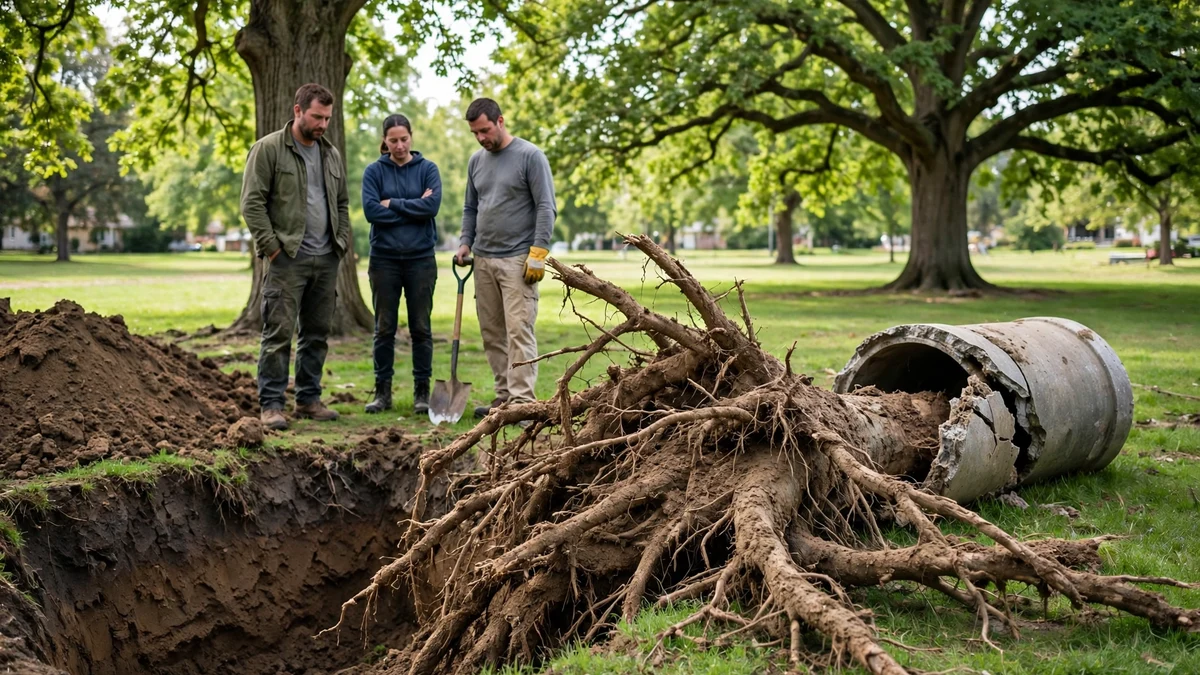
Cutting and clearing roots that have grown into a line through its joints.
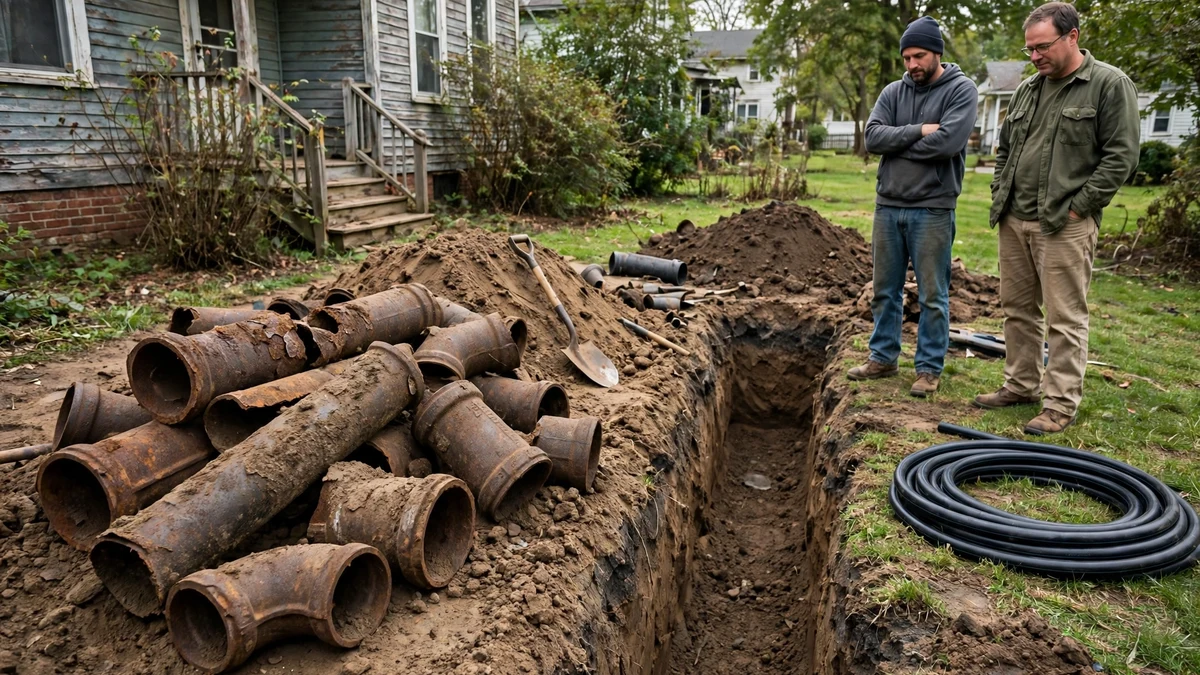
Replacement for clay and cast iron lines that have reached the end of their working life.
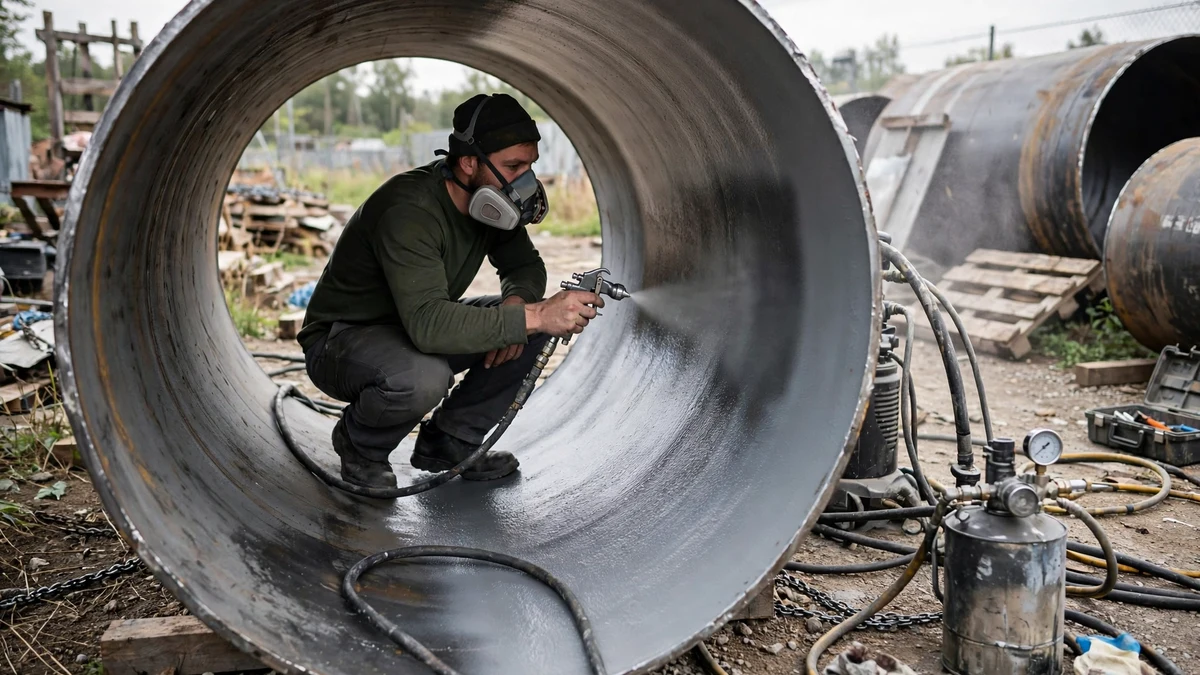
A coating that seals the inside of a pipe that still has its strength.
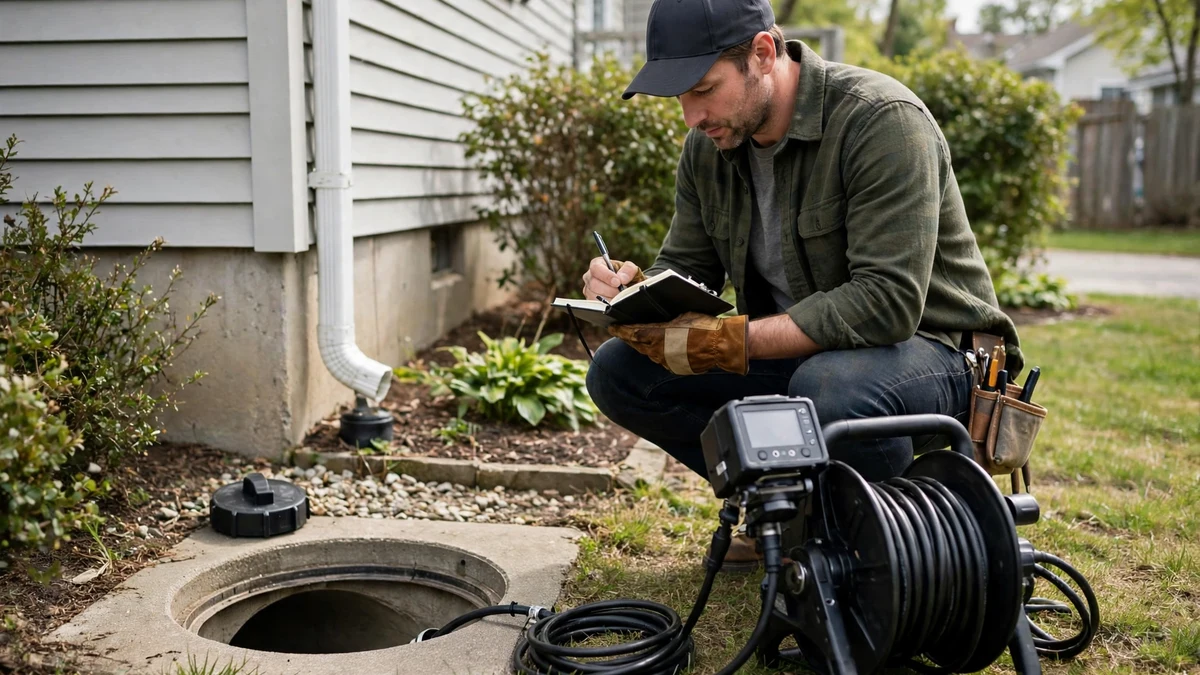
Planned, repeat inspections that catch trouble in an old line before it turns into a backup.
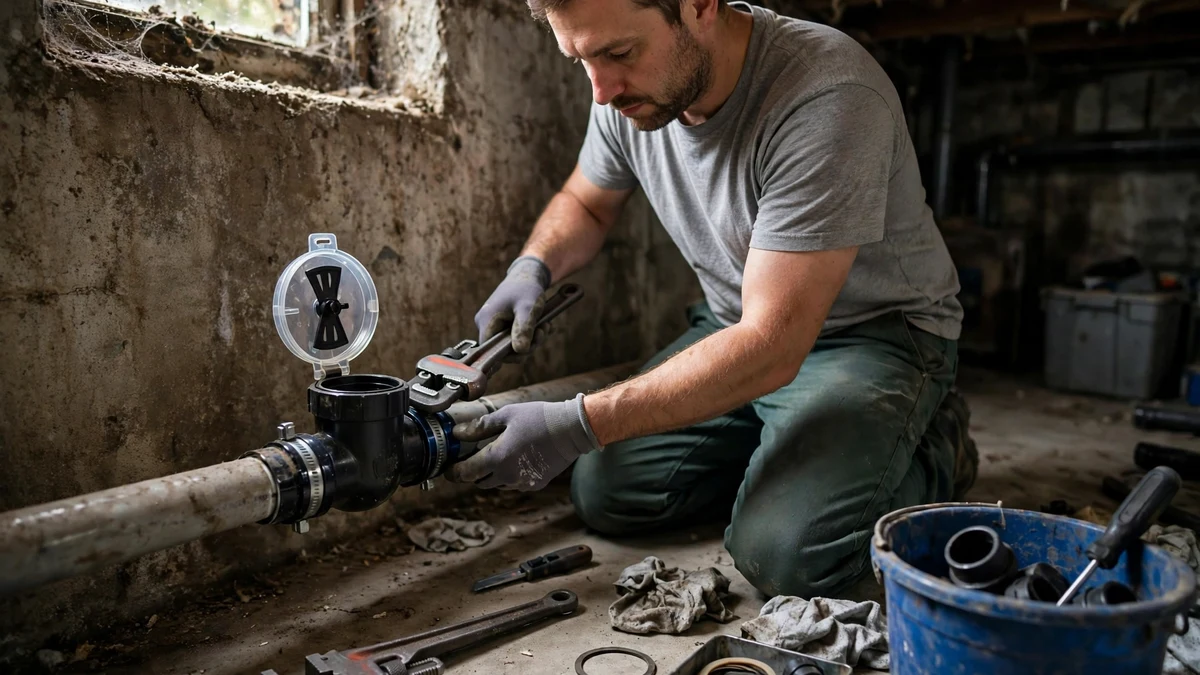
A valve that helps keep sewage from flowing back into a home during a surge.
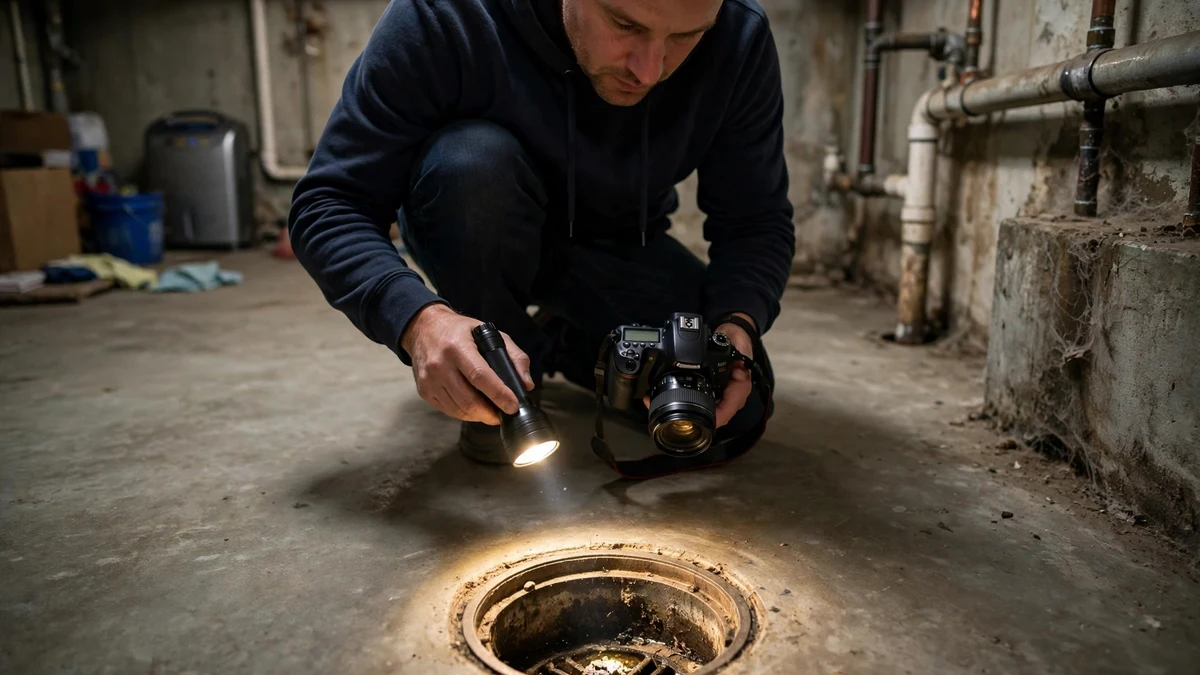
Tracking a sewer smell to its source instead of covering it up.
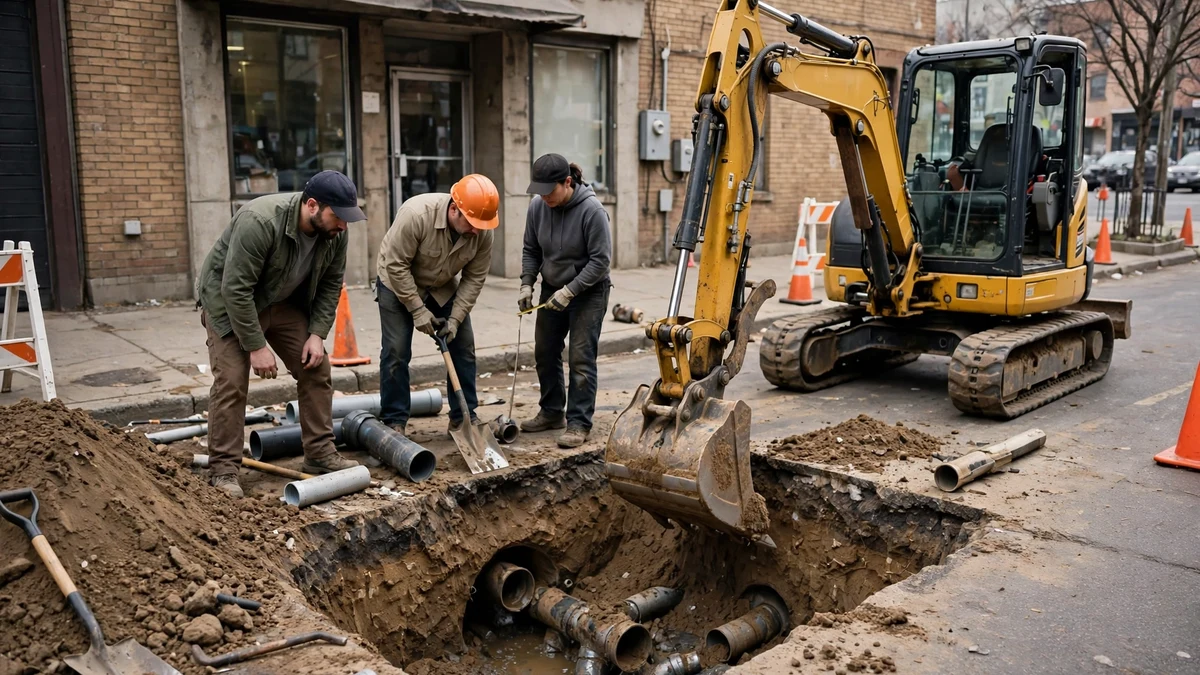
Sewer line work for shops, offices, and other commercial properties.
Homeowners often hear these three words used as if they were one service. They are not. Cleaning clears a blockage. Lining rebuilds a damaged pipe from the inside. Coating seals the inside of a pipe that still has its strength. The lining page carries a full explainer on the three, because picking the wrong one wastes money and leaves the real problem in place. Our pages keep the three strictly apart, and so does our work.
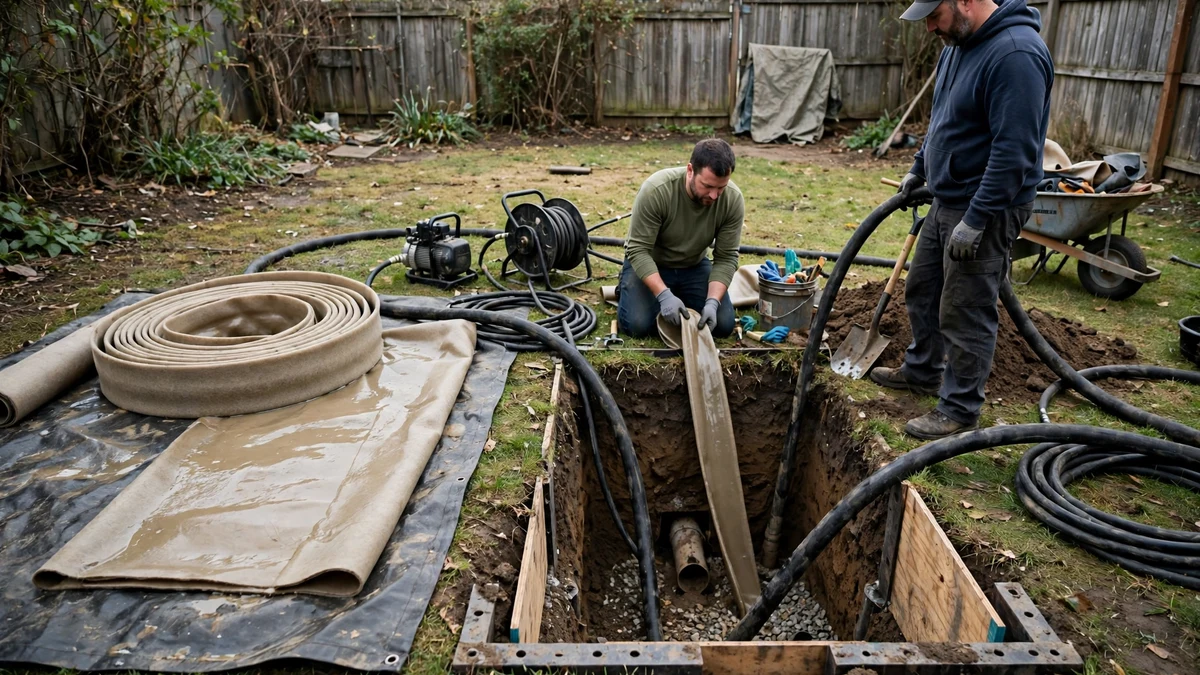
A useful question to ask about any of the three is what it leaves behind. Cleaning leaves a clear pipe. Lining leaves a new pipe inside the old one. Coating leaves a sealed surface inside a pipe that was already sound in structure. If a contractor cannot say which of those three outcomes a job will produce, the job is not yet well defined.
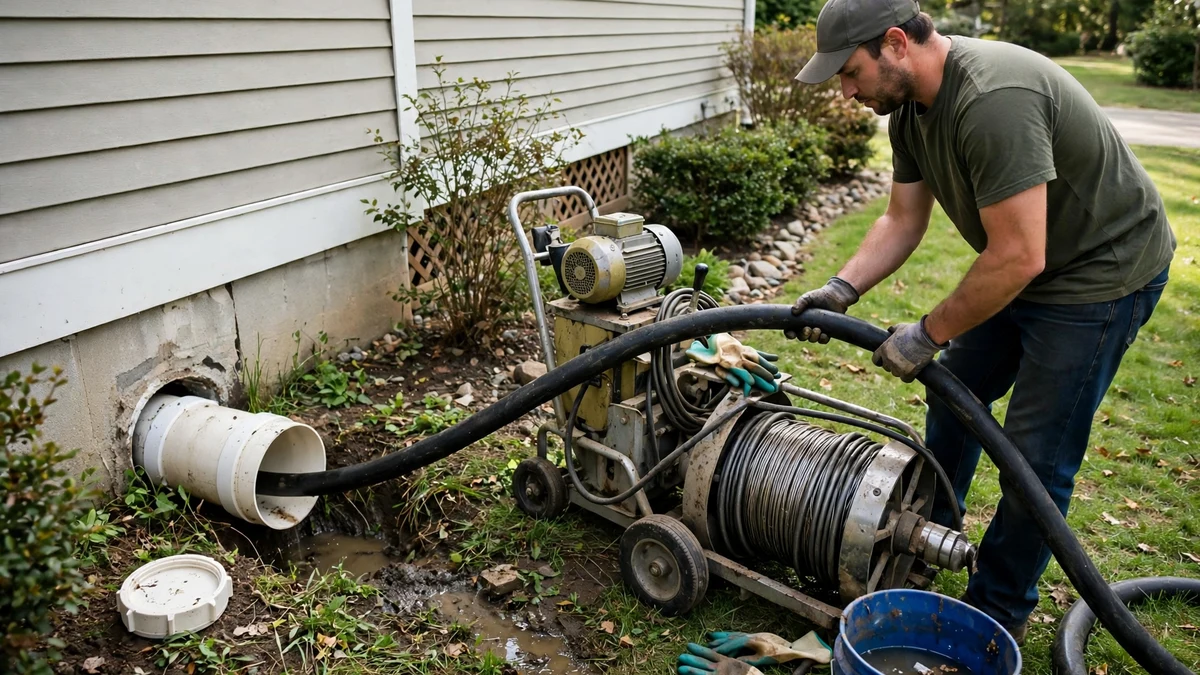
For general background on how public sewer systems work, the United States Environmental Protection Agency water infrastructure pages explain the systems that carry wastewater from homes to treatment.
It depends on the cause. A blockage may need cleaning or jetting, roots may need root removal, and a broken pipe may need a spot repair, lining, bursting, or excavation. A camera inspection tells which one fits.
Cleaning is mechanical clearing, led by snaking, for a line that is stopped up. Jetting uses high pressure water and suits grease and scale buildup inside a line. They are different tools for different problems.
Lining forms a new pipe inside the old one, with small access points instead of a full trench. It suits a line that is damaged but still has its shape. A collapsed line does not suit lining.
Yes. Our old pipe replacement service covers clay and cast iron lines that have reached the end of their working life, and the method is chosen after a camera inspection.
Yes. Our commercial service covers shops, offices, and other commercial properties with sewer line problems.
Call (207) 819-0831 or email info@sewerlinerepairmaine.com, and tell us the symptoms. We will talk through the next step from there.
Start with a camera inspection. It shows the line, and the service choice follows from what it shows.
Last updated: October 28, 2026