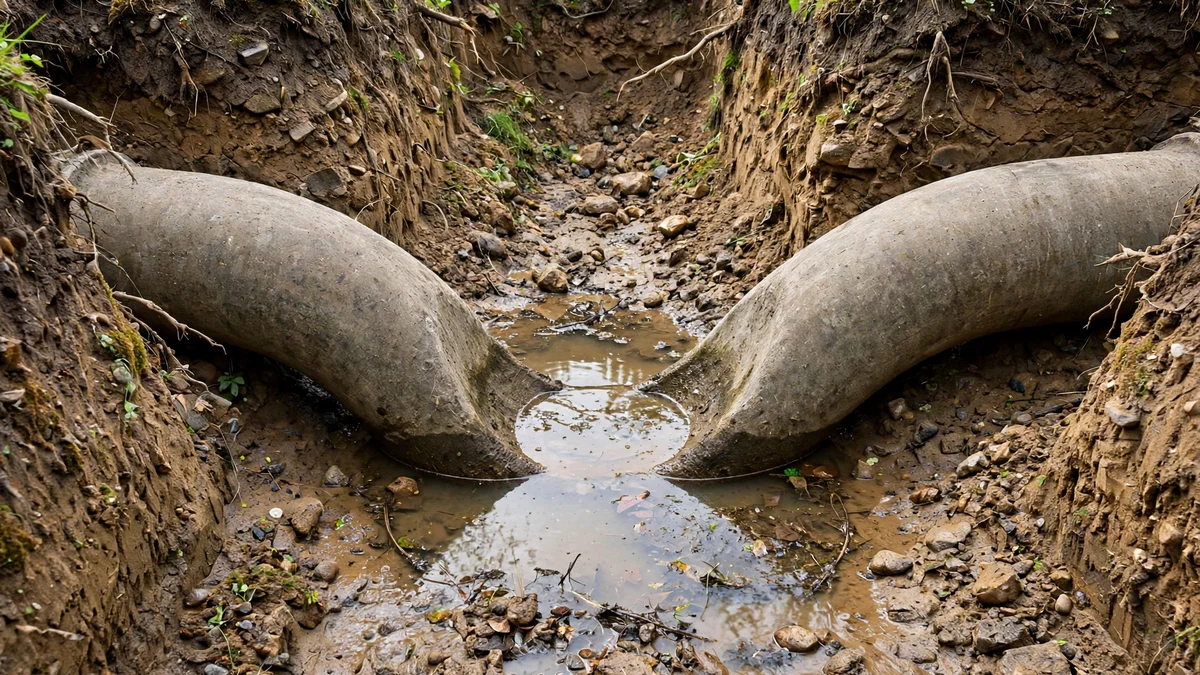
A sewer line works by gravity, with a steady downhill grade carrying waste from a house to the street. A belly is a section where that grade reverses: the pipe dips down and then rises again, forming a low spot where water and waste pool instead of flowing through. The pool sits there between uses, and each new flush adds to it before the older water finally moves on.
That pooling is the core of the problem. Waste settles in the dip, paper catches, and the section slowly narrows as deposits build. A shallow belly may only slow flow. A deep belly blocks it again and again, and no amount of clearing changes the shape that causes the trouble.
How a Belly Forms in the First Place
Bellies form in several ways. Soil under a section can settle or wash away, leaving the pipe unsupported so it sags. A section laid with poor bedding at install can sag as the ground compacts around it. Frost heave can lift one side of a section and leave the other low. A heavy load above, such as a driveway, can press a section down over time.
Material plays a role too. Clay sections with many joints can sag joint by joint as soil shifts, while a PVC section sags as a single span when its bedding fails. In both cases the cause is the ground or the bedding, not the pipe wall itself, which is why a belly diagnosis always looks at the soil and the grade, not only at the pipe.
The Symptoms a Belly Causes
A belly announces itself through repeat blockages at the same place. Drains slow, a clearing restores flow, and the same drain slows again within weeks, because waste pools in the dip and rebuilds the blockage. That repeat pattern is the classic belly symptom, and it differs from a one time blockage caused by a single object.
Other symptoms follow the same logic. Gurgling appears as air moves through the pooled water. Odors appear as waste sits and breaks down in the dip. A camera run shows the belly directly, as a pond in the pipe with the far side rising out of the water, and the footage also shows how deep the pond reads and how much waste it holds.
Repeat blockages at the same drain after clearing
Slow drains that improve after clearing and then worsen again
Gurgling as air moves through pooled water in the dip
Odors from waste sitting in the low section
How a Camera Grades a Belly
A belly diagnosis starts with a camera run that maps the dip: where it starts, where it ends, and how deep it reads. A shallow belly that still drains, with only a thin pool and no waste settling, may only need watching on a scheduled check. A belly that holds waste, or that blocks repeatedly, needs a repair that restores grade.
The camera also shows what sits around the belly. A belly with sound joints and a sound wall is a grade problem alone. A belly paired with cracks, root entry, or a shifted joint is a wider problem, and the repair must address the whole section, not only the dip. That distinction is why a belly grade is recorded section by section, with the footage to back it.
Why Lining Cannot Fix a Deep Belly
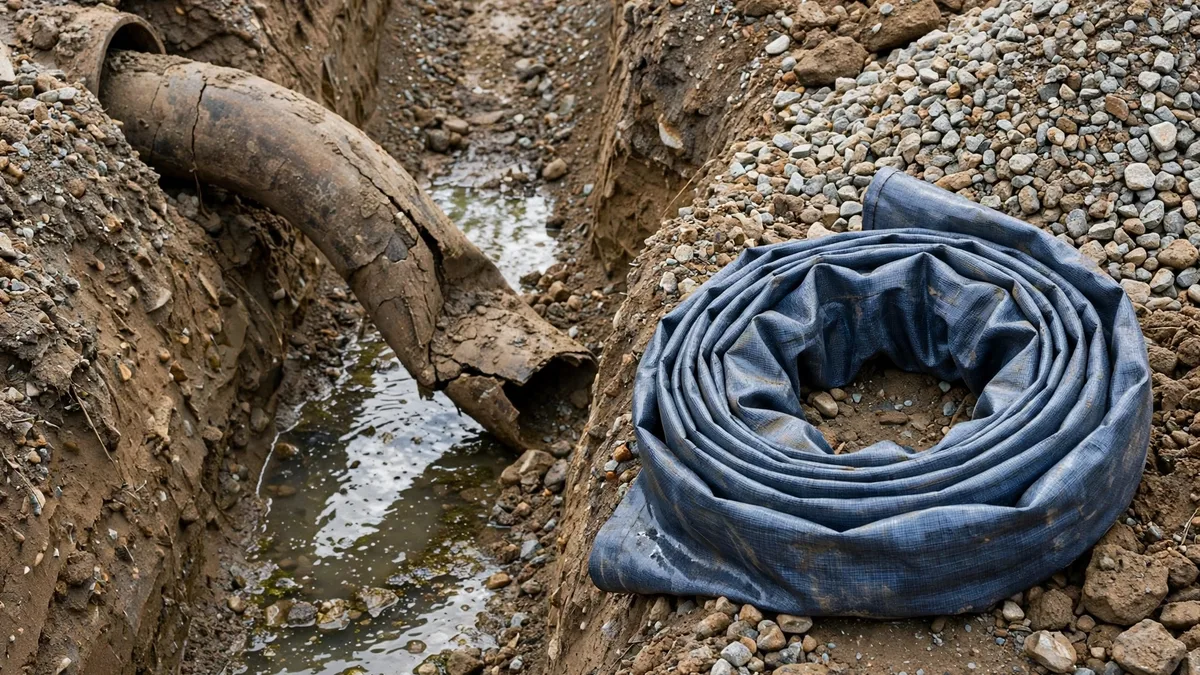
Lining forms a new pipe inside the old one, and it follows the shape of the host pipe. A liner laid into a bellied section therefore takes on the belly shape, with the same dip and the same pooling. The liner seals cracks and joints, but it cannot lift a sagging section back to grade, because it has no way to push the pipe up from inside.
That limit is one of the honest limits of trenchless work, and it is worth stating plainly. A shallow belly that still drains may be lined to seal its joints, with the belly watched afterward. A deep belly that holds waste needs a different answer: a spot repair or a replacement that excavates the section, restores its bedding, and resets its grade. The Maine plumbing code grade provisions set the rules for that grade, and we follow them on every such repair.
How Grade Is Restored
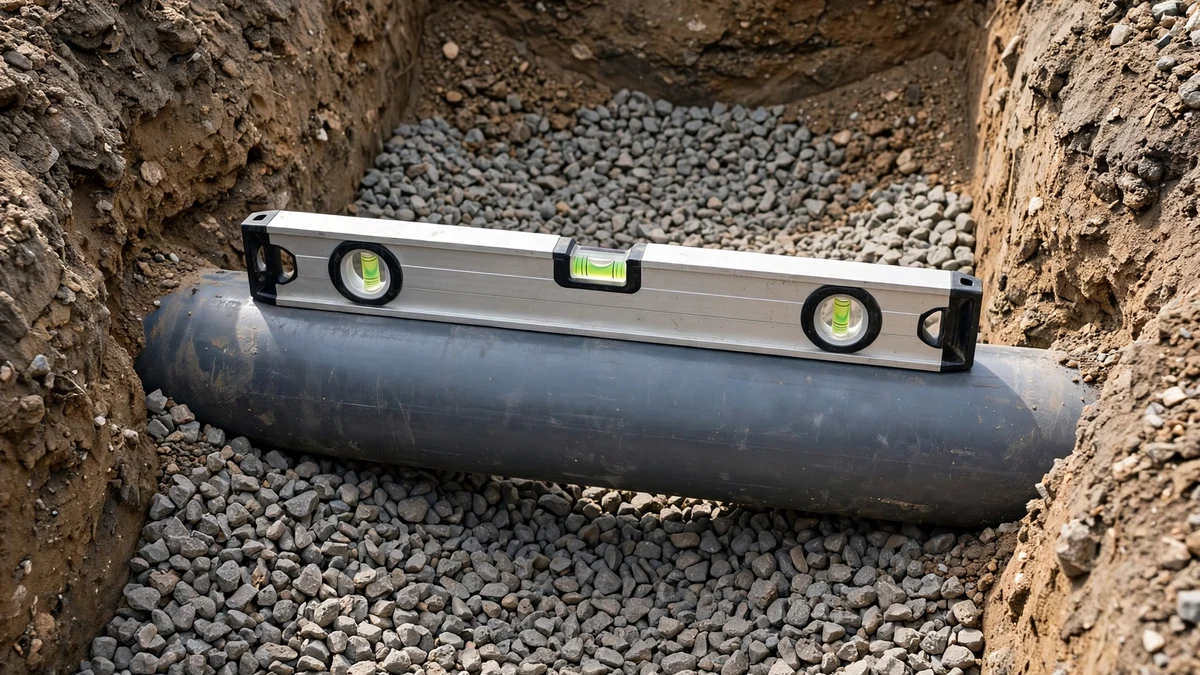
Restoring grade means excavating the bellied section, removing the sagging pipe, preparing a firm bedding of gravel, laying a new pipe section at a steady downhill grade, and backfilling so the bedding holds. A level check during the work confirms the grade before backfill, since a grade that looks right by eye can still dip by a fraction that matters.
That work is more disruptive than lining, and it is the right answer when a belly is deep enough to hold waste. A sewer line spot repair suits a single bellied section, while a longer bellied run may need a traditional sewer line replacement of that run. Either way, the goal is the same: a steady downhill path with no pond in the middle.
If your drains block at the same place again and again, call us at (207) 819-0831 or use our contact page. We serve homes across Maine from 400 Congress St, Portland, ME 04101, and a camera run will show whether a belly sits behind the repeat.
Bellies in Newer Lines: Install Problems
Bellies are often seen as an old line problem, but newer lines can develop them too, usually from install problems. A section laid on poor bedding sags as the ground compacts around it. A section laid with too little grade holds water from the start, even though the pipe is new. A section backfilled with heavy material before its bedding settled can dip under the load.
Those install bellies show the same symptoms as age bellies: repeat blockages at one place, slow drains that return after clearing, and a pond on camera footage. The difference is timing. An install belly appears early, sometimes within the first years of a line life, while an age belly builds over decades of soil movement.
The fix is the same in both cases, since grade must be restored by excavation and rebedding, but the conversation differs. An install belly raises questions about the original work and who should correct it, while an age belly raises questions about soil and time. A camera grade that dates the belly helps a homeowner have the right conversation with the right party.
Before any belly repair is booked, a sewer camera inspection should map the dip precisely, since the depth and length of the pond decide whether a spot repair or a longer replacement fits.
People Also Ask
What is a sewer line belly?
A sewer line belly is a sagging section where the pipe dips below grade and then rises again, forming a low spot where water and waste pool instead of flowing downhill. The pool causes repeat blockages, since waste settles in the dip and rebuilds after each clearing.
What causes a sewer line to sag?
A sewer line sags when soil under a section settles or washes away, when bedding at install was poor, when frost heave lifts one side, or when a heavy load above presses a section down. The cause is usually the ground or the bedding, not the pipe wall itself.
Can a bellied sewer line be fixed without digging?
A shallow belly that still drains can sometimes be lined to seal its joints and watched afterward, but a deep belly that holds waste cannot be fixed without digging. A liner follows the host pipe shape, so it keeps the dip, and only excavation can restore the grade.
Frequently Asked Questions
How do I know if my line has a belly or just a blockage?
A belly shows a repeat pattern: the same drain blocks, clears, and blocks again within weeks, because waste pools in the dip and rebuilds. A camera run confirms a belly directly, showing a pond in the pipe with the far side rising out of the water.
Does a belly always need repair?
A shallow belly that still drains and holds no waste may only need watching on a scheduled camera check, since its pooling is minor. A belly that holds waste, causes repeat blockages, or produces odors needs a repair that restores grade.
Can hydro jetting fix a sewer line belly?
Hydro jetting clears the waste pooled in a belly, but it does not change the dip that caused the pooling, so the blockage returns as waste settles again. Jetting helps as a clearing step, while grade restoration is the lasting fix for a deep belly.
Is a belly the same as a broken sewer pipe?
No, a belly is a shape problem, where the pipe sags below grade, while a break is a wall problem, where the pipe is cracked or missing a piece. A belly can exist in an otherwise sound pipe, and a break can exist in a straight pipe, though the two sometimes appear together.
How long does it take for a belly to form?
A belly can form over years as soil settles, bedding compacts, or frost heave moves a section, and it often goes unnoticed until repeat blockages begin. A line laid with poor bedding can sag sooner, while a well bedded line in stable soil may never develop a belly.
Will a belly get worse over time?
A belly usually gets worse over time, since pooled waste adds weight and deposits, and the sagging section settles further under that load. A shallow belly watched on a schedule can stay stable for a while, but a deep belly that already blocks will deepen without repair.