By Straight Line Sewer Pros
First: Stop the Water, Then Step Back
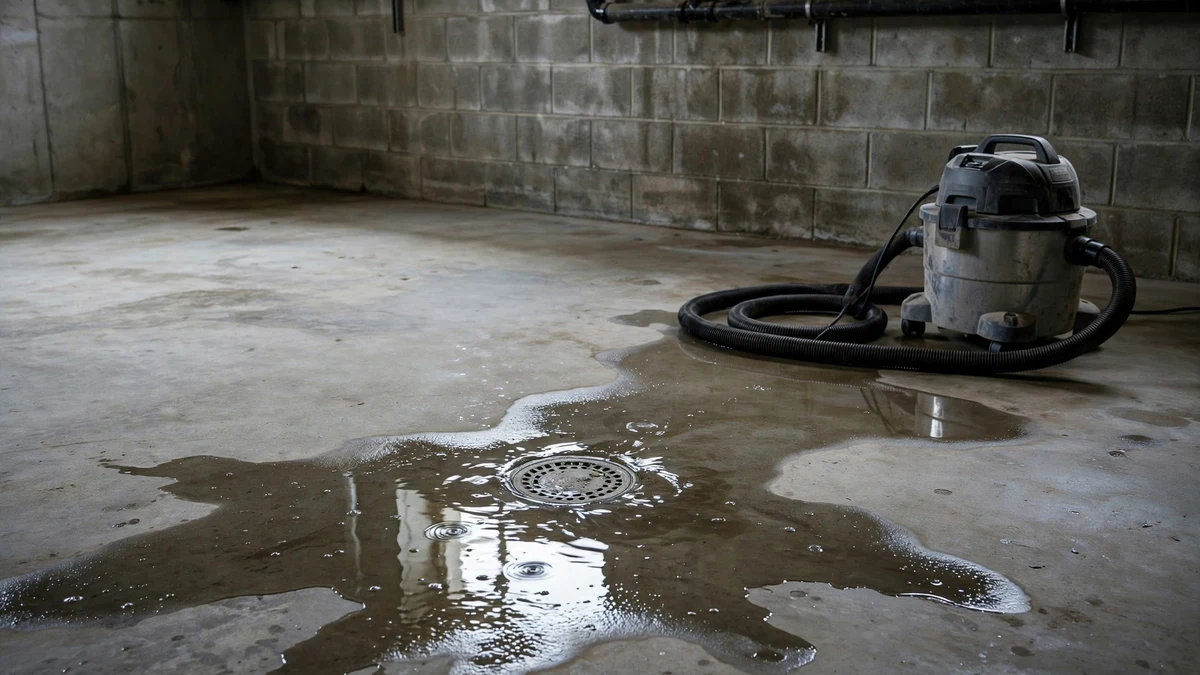
Do not keep flushing to test whether the backup has cleared. Each flush adds to the water already on the floor and can push it further into the house. The goal in the first minutes is containment: stop the inflow, keep the area clear, and let a technician find the cause before more water arrives.
Protect the Rest of the House
Once water has stopped running, protect what is still dry. Move rugs, boxes, and stored items away from the wet area if you can do so without stepping in sewage. Close doors to the affected rooms where possible, and avoid using any drain on a lower level until the line is checked.
Ventilate the area if you can do so safely, by opening a window or running a fan that pulls air out, not one that blows across the wet floor. Ventilation helps with odor, but it does not make sewage safe to handle. Gloves, boots, and eye protection are the minimum for anyone who must enter the area, and children and pets should stay out entirely.
What Not to Do During a Backup
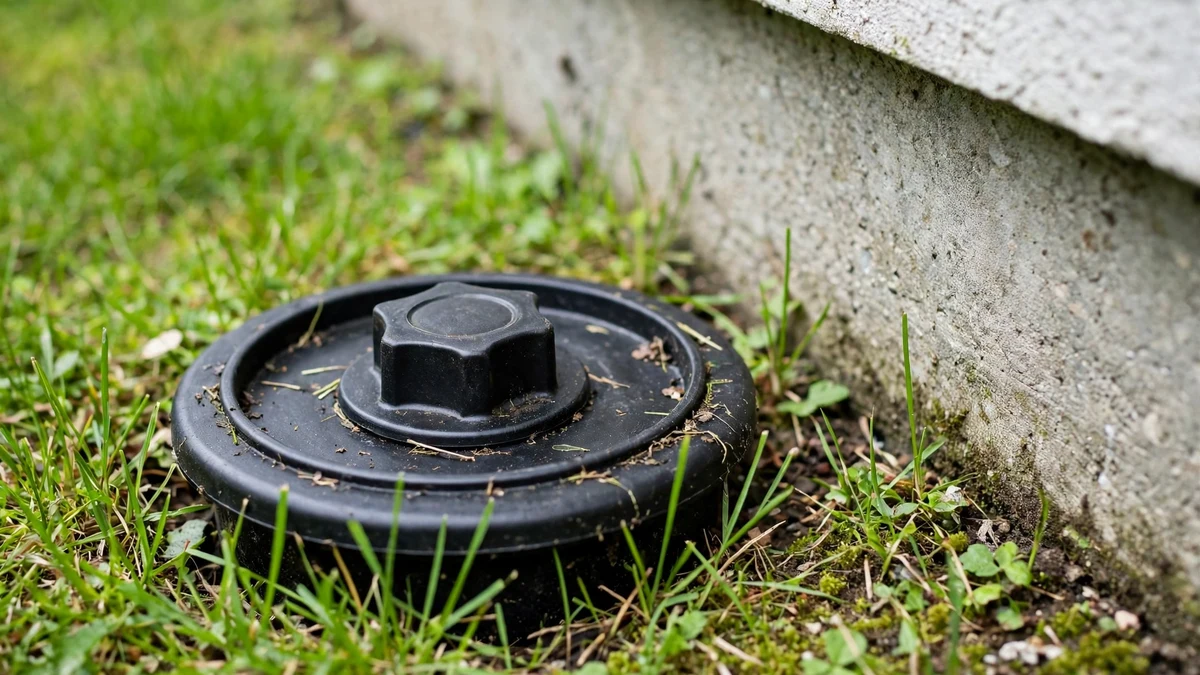
Several common reactions make a backup worse. Pouring drain cleaner into a backing up drain adds chemicals to standing sewage without clearing a main line blockage. Running a plunger on a floor drain can push sewage further into the room. Removing a cleanout cap while the line is full can release a rush of water that floods the area around the cleanout.
Do not use a household vacuum on sewage, since it spreads contaminants and can damage the machine. Do not run a dehumidifier in standing sewage, and do not start tearing out flooring or drywall before the cause is known. Cleanup comes after the line is diagnosed, because cleaning first and diagnosing second can hide the evidence of where the water came from.
When a Backup Is an Emergency
Some backups need urgent help rather than a routine visit. Sewage in a living space, sewage reaching electrical outlets or a furnace, a backup that keeps rising while no water is running, or a backup affecting a home with small children or vulnerable adults all call for urgent attention. In those cases, call promptly and describe the situation plainly.
Our emergency sewer line repair page explains how urgent visits work, and our guide to basement drain backups explains the causes in more detail. For now, the rule is simple: stop the water, stay out of the sewage, and call. We serve homes across Maine from 400 Congress St, Portland, ME 04101, and you can reach us at (207) 819-0831 or through our contact page.
Cleaning Up After the Diagnosis
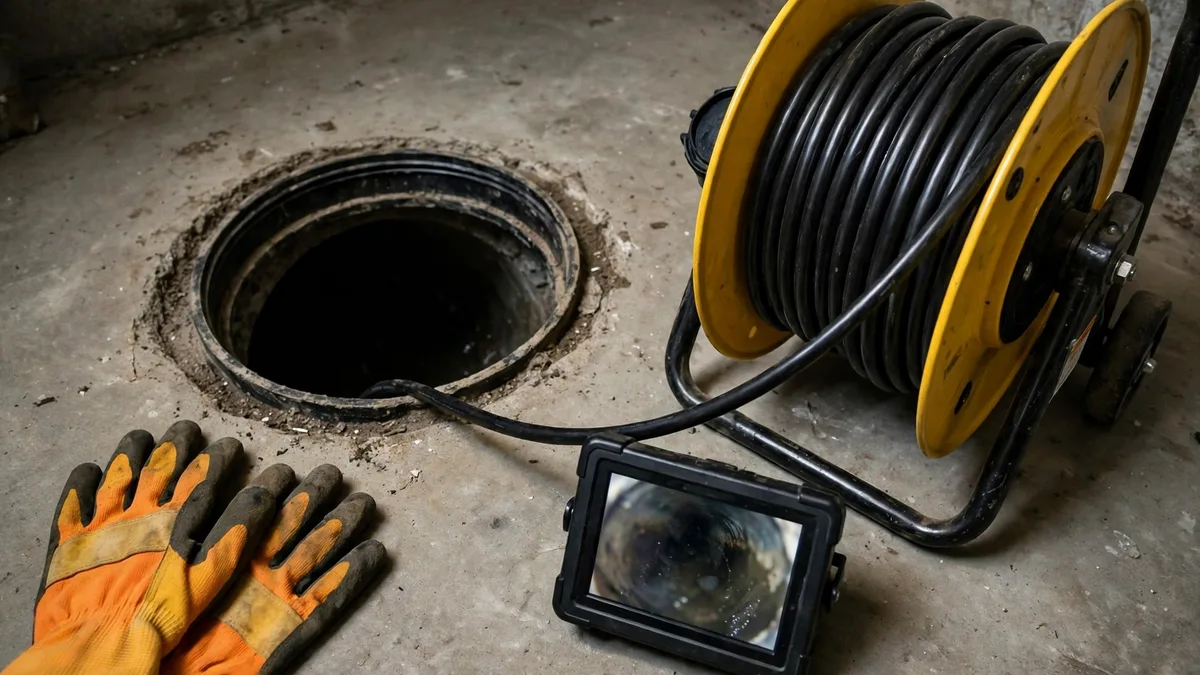
Cleanup should wait until the cause is diagnosed, because cleaning first can hide where the water came from. Once a camera run has shown the cause and the line is cleared or repaired, cleanup can proceed in order: remove standing water with proper equipment, remove porous items that soaked up sewage, wash hard surfaces, and disinfect them.
Porous items deserve special care. Carpet, padding, cardboard boxes, and upholstered items that soaked up sewage usually need disposal rather than cleaning, since contaminants sink deep into fibers that surface washing cannot reach. Hard surfaces, such as concrete and tile, can usually be washed and disinfected and kept.
Dry the area thoroughly after washing, since dampness left behind invites mold and odor that outlast the backup itself. Fans and dehumidifiers help once standing water is gone, and a final check for odor after drying shows whether any contaminated material remains hidden behind a wall or under flooring.
Do not rush to put furniture and stored items back until the area is dry and the odor has gone, since returning items to a damp floor traps moisture against them and starts the mold problem again. A few extra days of drying, with the area kept clear and ventilated, protects both the floor and the items that will live there afterward.
Finally, keep a record of the cleanup: photos of the affected area before and after, a list of items disposed of, and the repair report that names the cause. That record helps with any insurance conversation, and it gives the next technician a clear history if the line ever troubles you again.
Once the water has stopped and the area is safe to enter, a sewer camera inspection should follow before any repair is booked, since the cause, not the cleanup, decides what work is needed.
People Also Ask
What should I do first when sewage backs up?
Stop running water everywhere in the house, keep people and pets out of the affected area, and note which fixtures were running when the backup appeared. Those first steps contain the water and give a technician the timing details that shape a diagnosis.
Is it safe to clean up a sewage backup myself?
A small sewage backup can be cleaned with gloves, boots, and eye protection, but large backups, sewage in living spaces, or sewage near electrical equipment call for professional help. Sewage carries bacteria, so children, pets, and anyone without protection should stay out of the area.
Should I call a plumber or a sewer company for a backup?
A backup that affects the main line or the lowest drain in a house calls for a sewer line company with a camera, since the cause usually sits in the main line or lateral. A backup at one fixture only may be a local drain issue, but a house-wide backup points to the sewer line.
Frequently Asked Questions
Can I still flush a toilet during a sewage backup?
No, flushing during a backup adds water that has nowhere to go and can push sewage further into the house. Stop all water use until the line is checked, since every flush, shower, and laundry load adds to the water already on the floor.
How do I know if a backup is from my line or from the street?
A backup that follows household water use points to your own line, while a backup that follows heavy rain and affects neighbors points to a surge from the street. A camera check of your line, plus a check for a backwater valve, usually separates the two causes.
What causes sewage to back up into a basement?
Sewage backs up into a basement when a main line blocks, when a surge pushes water back from the street, or when a backwater valve fails. The basement drain shows it first because it sits lowest and closest to the main line.
Do I need to disinfect after a sewage backup?
Yes, surfaces touched by sewage need cleaning and disinfecting after the cause is fixed, and porous items that soaked up sewage often need disposal. Cleanup should wait until the line is diagnosed, so the evidence of where water came from is not hidden first.
Will a drain clearing fix a sewage backup for good?
A drain clearing removes the blockage but leaves the defect that caused it, such as roots at a joint or a belly that pools waste. A camera check after clearing shows that defect, and repairing it is what keeps the backup from returning.
What information should I give when I call about a backup?
Give the timing of the backup, which fixtures were running, which drain showed water first, and whether neighbors report the same problem. Those details help a technician start the camera run in the right place and judge whether a surge is involved.