Basement drain causes

Why Does My Basement Drain Back Up

A basement floor drain sits lower than every other drain in a house, and water follows gravity. When a main line blocks, or when a surge pushes water back from the street, the basement drain is usually the first place that water appears. That is why a basement backup feels sudden even when the cause has been building for months.

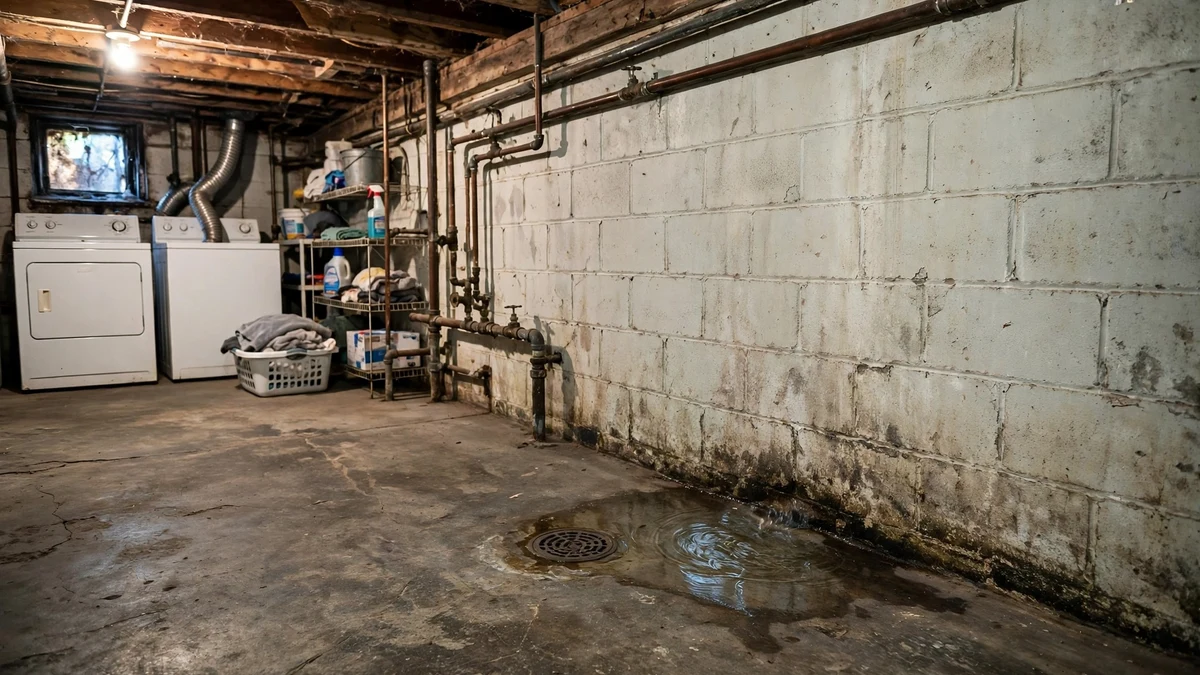
Basement laundry area with water pooling near a floor drain

By Straight Line Sewer Pros

Your Basement Drain Is the Lowest Point, So It Shows Trouble First

This post separates the two directions of trouble. Water that cannot get out points to a blockage or a defect in your own line. Water that pushes back in points to a surge from the municipal system, or to a missing or failed backwater valve. The two directions call for different answers, and telling them apart is the first step.

When Water Cannot Get Out: A Blockage in Your Own Line

The most common cause of a basement backup is a blockage in the main line or the lateral. Roots at a joint, a belly that pools waste, scale inside old cast iron, or a mass of paper and wipes can narrow the pipe until normal household water cannot pass. When that happens, water from upstairs fixtures backs up to the lowest drain and appears in the basement.

Watch which fixtures trigger the backup. If running the washing machine or flushing an upstairs toilet pushes water up through the basement drain, the blockage likely sits downstream of the basement, in the main line. If only one basement fixture backs up while the rest of the house drains, the trouble may sit closer to that fixture. A camera check then pins down the exact spot.

When Water Pushes Back In: A Surge From the Street

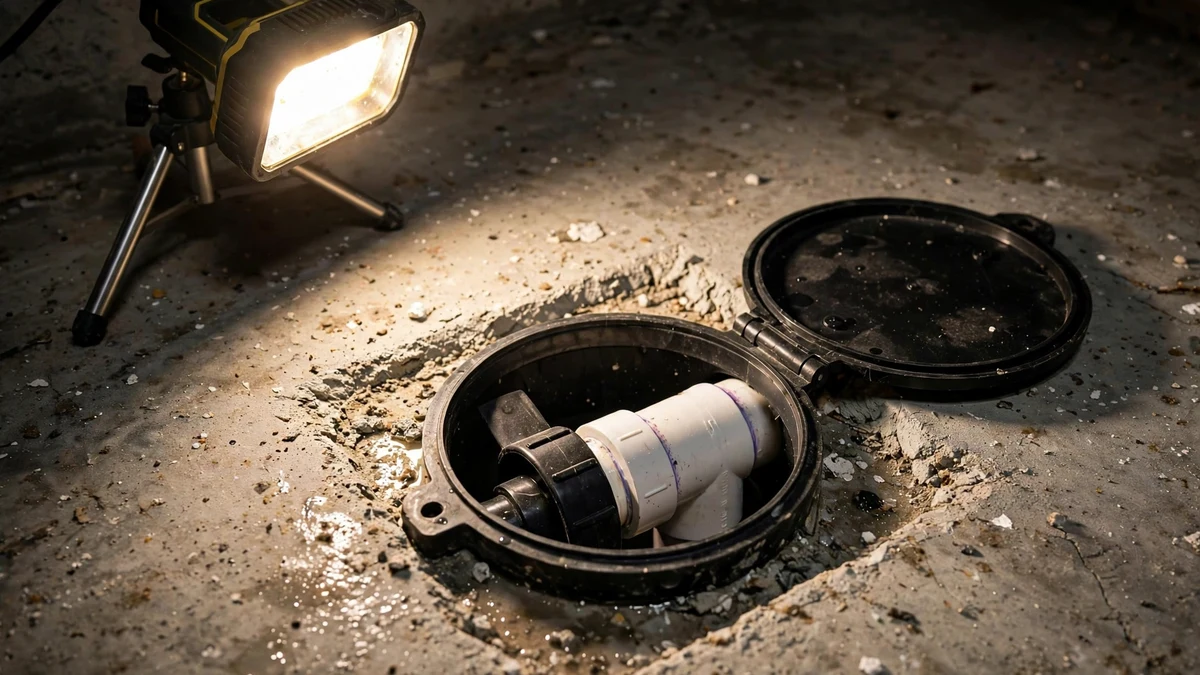
Backwater valve access box open in a basement floor

A surge works the other way. During heavy rain, a municipal system can fill and push water back toward houses, especially in older neighborhoods where stormwater and sewage once shared a pipe. A house with no working backwater valve has nothing to stop that push, so water enters through the lowest drain even though the house line itself is clear.

Surge backups often arrive with a pattern of their own. They follow heavy rain rather than heavy household use, they affect several houses on a street at once, and they clear when the rain stops even though nothing was cleared inside the house. If your neighbors report the same backup on the same night, a surge is a strong suspect.

The Backwater Valve: A One Way Door for Your Line

A backwater valve is a one way door fitted in a line. It lets water flow out of the house and swings shut when water tries to flow back in, so a surge stops at the valve instead of reaching a basement drain. The valve sits in an access box in the floor, with a flapper inside that must stay clean and able to move.

A valve that has not been checked can fail quietly. Paper or debris can hold the flapper open, or the flapper itself can wear and stop sealing. That is why a valve check belongs in any backup diagnosis for a house that has one, and why a house that backs up during rain but has no valve is a candidate for a backwater valve installation. The Maine plumbing code backwater provisions set the rules for where such a valve belongs, and we follow them on every install.

Other Causes Worth Ruling Out

Not every basement backup traces back to the sewer line. A failed sump pump, a foundation drain tied into the wrong pipe, or surface water running toward a foundation can all put water on a basement floor. The difference usually shows in the water itself and in the timing: sewer water carries waste and odor, while groundwater and surface water usually do not.

Cast iron lines deserve a special note here. Old cast iron corrodes along the bottom and its inner surface roughens, so waste catches and builds until flow slows. A cast iron main line can back up under normal household use even without a dramatic blockage, simply because its opening has narrowed over decades. PVC lines, by contrast, rarely narrow by age alone, so a PVC backup more often points to a blockage or a surge.

What a Diagnosis Looks Like

A backup diagnosis starts with questions about timing and triggers, then moves to a camera check of the main line. The camera shows whether a blockage, a belly, roots, or scale is present, and a valve check shows whether a backwater valve exists and seals. Together, those two checks separate a house line problem from a surge problem in most cases.

If the camera shows a blockage, the next step is a sewer line cleaning to clear it, followed by a second camera look to see what caused it. If the camera shows a clear line and the backup followed rain, the conversation turns to surge protection. Either way, the answer rests on what was seen, not on a guess about which direction the water came from.

If your basement drain has backed up more than once, call us at (207) 819-0831 or use our contact page. We serve homes across Maine from 400 Congress St, Portland, ME 04101, and a camera check will tell you which direction your trouble is coming from.
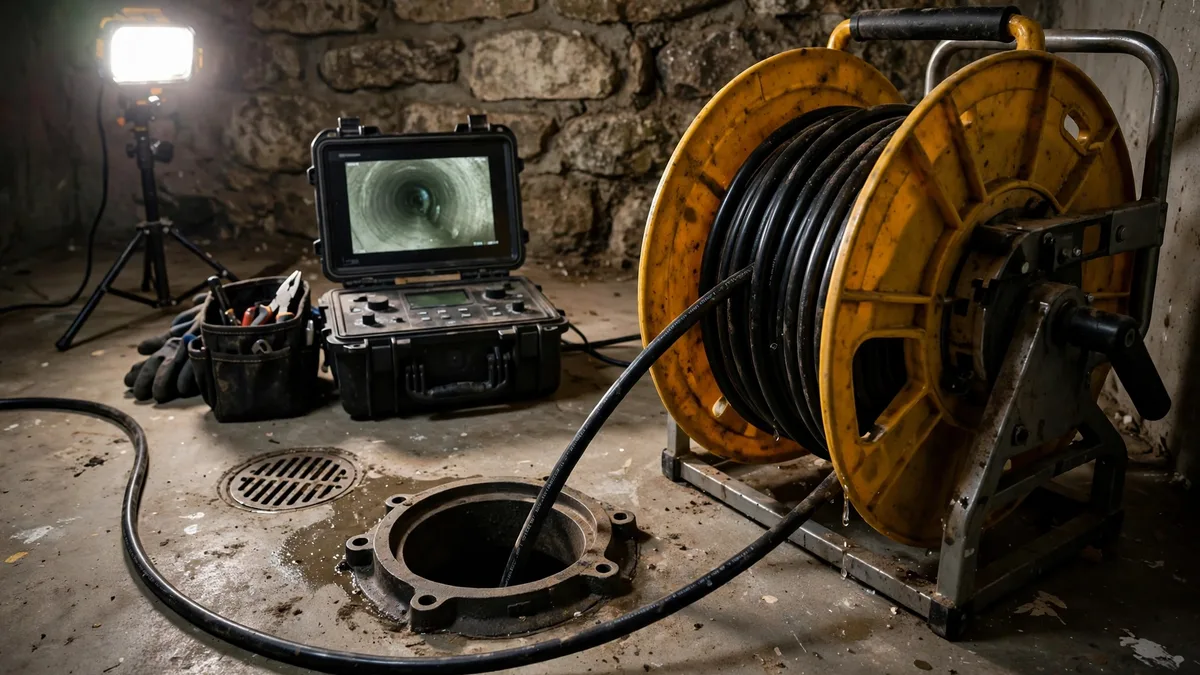
Sewer camera reel and monitor set up in a basement beside a floor drain

Who Else Should Know About a Repeat Backup

A repeat basement backup is worth reporting beyond your own household. If neighbors on your street report backups on the same night, the pattern points to a municipal surge rather than a single house line, and the town or sewer district needs that pattern to investigate. One report is a complaint. Several reports on one street are evidence.

Renters should tell a landlord promptly, in writing, when a basement drain backs up, since the line and any backwater valve belong to the property, not the tenant. A landlord who learns early can book a camera check before the next backup, while a landlord who learns late faces a larger cleanup and a harder diagnosis.

Keep your own record too: dates, fixtures involved, weather at the time, and whether neighbors were affected. That record helps a technician separate a house line cause from a surge cause, and it helps a town or district see a pattern that a single visit cannot show.

A repeat backup deserves a sewer camera inspection even when the immediate cause looks clear, since the camera shows whether the line, the valve, or a surge sits behind the water.

People Also Ask

Why does my basement drain back up when I do laundry?

A basement drain backs up during laundry when the main line cannot carry the washing machine discharge, often because roots, a belly, or scale has narrowed the pipe. The machine releases a large volume quickly, and that volume finds the lowest drain when the line cannot pass it.

Can heavy rain cause a basement sewer backup?

Heavy rain can cause a basement sewer backup when a municipal system fills and pushes water back toward houses, especially in older areas with combined sewers. A working backwater valve stops that push, while a house without one has no barrier at its lowest drain.

Is a basement drain backup always a sewer line problem?

A basement drain backup is not always a sewer line problem, since groundwater, a failed sump pump, or surface water can also reach a basement floor. Sewage odor and waste point to the sewer line, while clear water after rain points more toward groundwater or drainage.

Frequently Asked Questions

What should I do first when my basement drain backs up?

Stop running water, keep people and pets out of the affected area, and note which fixtures were running when the backup appeared. That timing helps a diagnosis, and a camera check after the water clears will show whether a blockage or a surge caused it.

Does a backwater valve stop all basement backups?

A backwater valve stops surges from the street, but it does not stop backups caused by a blockage in your own line, since that water still needs to leave the house. A valve and a clear line work together, and neither one replaces the other.

Why does only my basement drain back up while upstairs drains work?

Upstairs drains work while the basement drain backs up because the basement drain sits lowest and closest to the main line, so it shows a downstream blockage first. Water from upstairs reaches that blockage and rises at the lowest opening before it affects higher fixtures.

Can tree roots cause a basement drain backup?

Yes, roots at a joint can narrow a main line until normal household water cannot pass, and the basement drain then shows the backup first. A camera run will show the root mass and the joint it came through, which decides whether cutting or a repair is the right next step.

How can I tell a sewer backup from groundwater?

Sewer backup water usually carries waste, paper, and a strong sewage odor, while groundwater is usually clear and odorless. Sewage also appears with fixture use or a surge, while groundwater usually follows rain or a high water table without any fixture trigger.

Should I pour drain cleaner into a backing up basement drain?

Drain cleaner rarely clears a main line blockage and can make later work harder by adding chemicals to standing water. A mechanical clearing followed by a camera check is the safer route, since it removes the blockage and shows what caused it.

Call us about your sewer line

(207) 819-0831

Basement Drain Backing Up Again?

Repeat backups point to a cause that clearing alone will not fix. A camera check and a valve check will show whether your trouble comes from your line or from a surge.

Call (207) 819-0831 or email info@sewerlinerepairmaine.com.

Related Reading

01

Backwater Valve Installation

A valve that helps keep sewage from flowing back into a home during a surge.

02

Sewer Line Cleaning

Mechanical clearing for blockages, led by snaking when a line is stopped up.

03

What to Do When Sewage Backs Up

Calm, practical first steps while help is on the way.

Last updated: October 28, 2026