Tracing a sewer smell

Sewer Smell in the House

A sewer smell in a house is unpleasant, and it is also useful. It means sewer gas is reaching a room through an opening that should be sealed, and the pattern of the smell usually points to which opening. A smell that appears in one bathroom after a vacation points one way. A smell that appears near a basement drain during wind points another way.

Bathroom in an older home with a toilet, sink, and bathtub

By Straight Line Sewer Pros

A Smell Is a Clue, Not a Diagnosis

This post explains what the smell means, room by room and cause by cause. It does not repeat our diagnosis service page. It helps you read the clue before anyone arrives, so the visit starts with a short list of suspects instead of a blank page.

The Dry Trap: The Most Common Cause

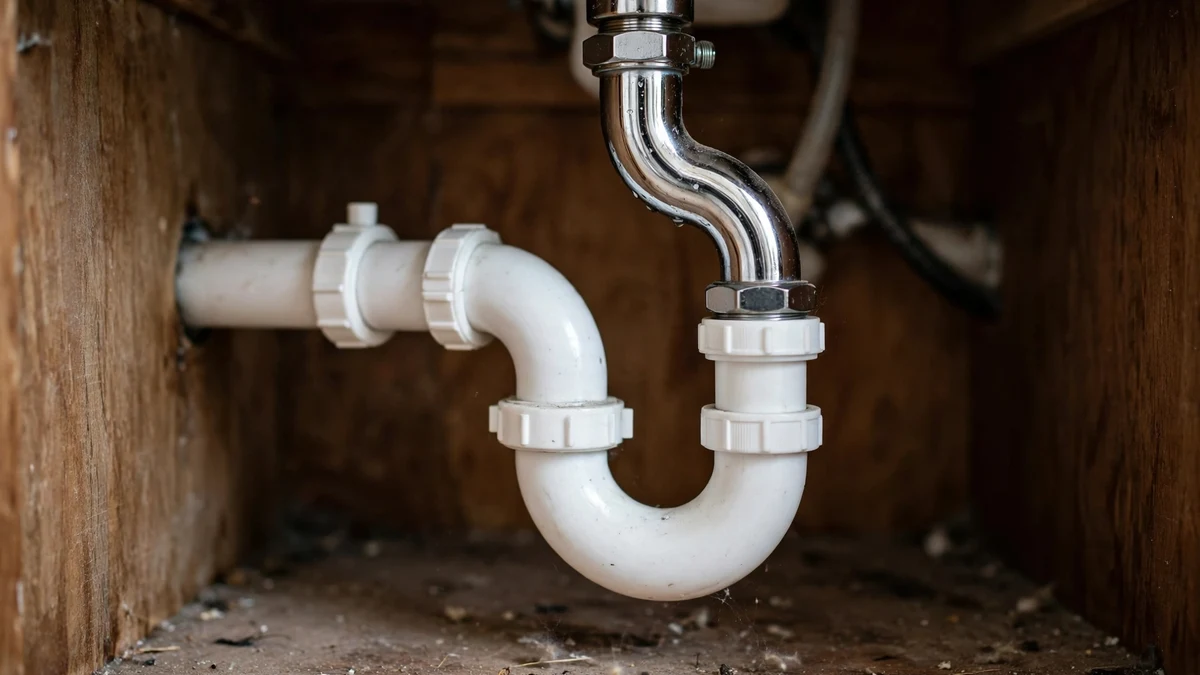
Every drain has a trap, a curved section of pipe that holds water and blocks sewer gas from rising into a room. When a fixture goes unused, that water evaporates, the seal breaks, and gas flows straight up through the drain. A guest bathroom, a basement sink, or a floor drain in a little used room are the usual suspects.

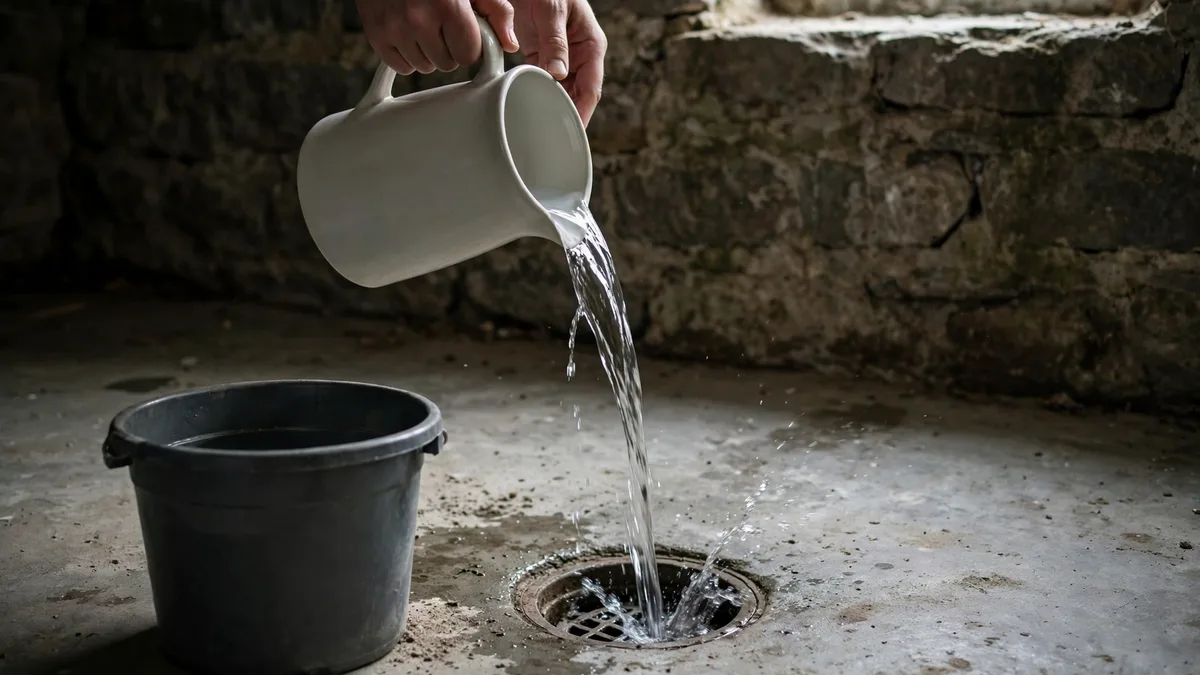
A dry trap is easy to test. Run water into the drain for a minute and see if the smell fades within a day. If it does, the trap was the cause, and regular use will keep it sealed. If the smell returns quickly even with use, the trap may be leaking, cracked, or siphoned dry by a vent problem, and that needs a closer look.

Vents, Seals, and Cracks: The Next Suspects

Curved trap pipe under a bathroom sink

Plumbing vents run from drains up through the roof, letting air in and gas out. A cracked vent, a vent blocked by debris or a nest, or a vent joint that has worked loose can push gas back into a house or siphon traps dry. Vent trouble often shows as a smell that comes and goes with wind, or that appears when a nearby fixture drains.

Seals fail too. The wax ring under a toilet seals the base to the floor drain, and when it compresses or shifts, gas escapes around the base. A toilet that rocks slightly, or a smell strongest at the base of a toilet, points to that seal. A cracked cast iron vent stack or drain section can leak gas in the same way, and a sewer camera inspection can find a crack that hides inside a wall or below a floor.

Where the Smell Appears Matters

Location narrows the search fast. A smell in one bathroom usually points to that bathroom trap, vent, or toilet seal. A smell near a basement floor drain points to that drain trap or to the main line below it. A smell throughout the house points to a larger opening, such as a main vent failure or a break in the main line.

Timing narrows it further. A smell that appears only when a fixture drains points to a vent or a trap being siphoned. A smell that appears only in wind points to a vent termination or a roof level issue. A smell that is constant, and strongest near one drain, points to that drain trap or seal. Note the room, the timing, and the trigger before you call, because those three details shape the visit.

When a Smell Signals a Line Problem

Most sewer smells come from traps, vents, and seals, not from the buried line itself. But a smell paired with other symptoms points deeper. A smell plus slow drains, gurgling, or repeat backups suggests a main line defect, such as a cracked section or a failed joint, that is letting gas escape and waste catch.

Cast iron lines deserve attention here, because a corroded cast iron section can crack and leak gas long before it blocks. PVC lines, by contrast, rarely leak gas through the wall itself, so a PVC smell usually traces back to a trap, a vent, or a joint. That material contrast is one more reason a camera check helps when the simple causes have been ruled out.

What to Check Before You Call, and When to Stop

Before you call, run water into every little used drain, check whether any toilet rocks or shows water at its base, and note the room and timing of the smell. Those three checks rule out the most common cause and give a technician a useful starting point. Do not open walls, lift a toilet, or pour chemicals down a drain to chase a smell, since those steps can create a leak or mask the source.

If the smell is strong, constant, or paired with headaches or nausea, leave the area and ventilate the house, since sewer gas in concentration is not something to sit with. A sewer odor diagnosis visit then traces the source with a camera, a gas detector, and a trap and vent check, rather than covering the smell up.

If a smell keeps returning after you have run water into unused drains, call us at (207) 819-0831 or use our contact page. We serve homes across Maine from 400 Congress St, Portland, ME 04101, and we will trace the smell to its source instead of guessing at it.

Hands pouring water from a jug into a basement floor drain beside a bucket

Smells After Rain or Wind: Weather Clues

Weather gives useful clues about a sewer smell. A smell that appears only in wind often points to a vent termination, where gusts push gas back down a vent or stir air around a cracked section. A smell that appears only after rain often points to a drain or a line section where water has shifted the ground or filled a trap differently.

Wind clues help a technician check the roof vent first, looking for a crack, a loose joint, or a termination that sits too close to a window or an intake. Rain clues help a technician check low sections and basement drains first, where water movement changes pressure in the line. Both clues narrow the search before any wall is opened.

Note the weather with the smell, just as you note the room and the timing. A log entry that reads as a smell in the guest bathroom on a windy evening is far more useful than a log entry that reads only as a smell, because it points the visit toward the vent before it starts.

When a smell traces to buildup inside the line rather than to a dry trap or a vent, a sewer line cleaning can clear that buildup and show whether the smell clears with it or points to a crack instead.

People Also Ask

Why does my house smell like sewer sometimes?

A house smells like sewer sometimes when a trap dries out, a vent is blocked or cracked, or a toilet seal fails, letting sewer gas into a room. The smell often comes and goes with fixture use, wind, or a dry spell, which helps point to the cause.

Can a dry trap cause a sewer smell?

Yes, a dry trap is the most common cause of a sewer smell, since the water seal in the curved trap evaporates when a fixture goes unused and gas flows up through the drain. Running water into the drain restores the seal and usually clears the smell within a day.

Is sewer gas smell in a house dangerous?

Sewer gas in small amounts is mainly unpleasant, but a strong, constant smell should not be ignored, and the area should be ventilated while the source is found. A persistent smell points to an opening that needs repair, such as a failed trap, vent, or seal.

Frequently Asked Questions

Why does my bathroom smell like sewer after a vacation?

After a vacation, traps in little used bathrooms dry out as their water evaporates, breaking the seal that blocks sewer gas. Running water into every drain for a minute restores those seals, and the smell usually fades within a day if a dry trap was the cause.

What does a sewer smell near a floor drain mean?

A smell near a floor drain usually means that drain trap has dried out or is leaking, or that gas is escaping from the main line below it. Running water into the drain is the first test, and a camera check follows if the smell returns quickly.

Can a blocked vent cause a sewer smell?

Yes, a blocked or cracked vent can push gas back into a house or siphon traps dry, so fixtures gurgle and smells appear. Vent trouble often shows with wind or when a nearby fixture drains, and a vent check is part of any thorough odor diagnosis.

Why does my toilet area smell like sewer?

A smell at a toilet usually points to a failed wax ring seal at the base, especially if the toilet rocks or shows water at its base. The seal compresses and shifts over time, letting gas escape around the base until the ring is replaced.

Does a sewer smell always mean a broken sewer line?

No, most sewer smells come from traps, vents, and seals rather than a broken buried line. A smell paired with slow drains, gurgling, or repeat backups is more likely to point to a line defect, and a camera check will confirm or rule that out.

Should I use air freshener to cover a sewer smell?

Air freshener only masks a sewer smell while the opening that lets gas in stays open, so the smell returns and the cause goes unrepaired. Finding the trap, vent, or seal behind the smell is the only step that actually clears it.

Call us about your sewer line

(207) 819-0831

Smell That Keeps Coming Back?

A returning smell points to an opening that water alone will not seal. We trace it with a camera, a gas detector, and a trap and vent check.

Call (207) 819-0831 or email info@sewerlinerepairmaine.com.

Related Reading

01

Sewer Odor Diagnosis

Tracking a sewer smell to its source instead of covering it up.

02

Sewer Camera Inspection

A camera run through the line so the problem is seen, not guessed at.

03

Signs Your Sewer Line Needs Repair

The early warnings that point to a line problem, before a backup forces the issue.

Last updated: October 28, 2026